

chloramine-T
- noun
- /ˈklɔːrəˌmiːn tiː/
- Specialized
- The surgeon used chloramine-T to disinfect the wound before stitching it closed.
Examples
-
The surgeon applied chloramine-T to sterilize the surgical instruments before the operation.
-
Many hospitals use chloramine-T as a disinfectant.
-
Laboratory technicians often rely on chloramine-T as an effective disinfectant.
-
Some water treatment plants add chloramine-T to control bacterial growth.
-
The doctor prescribed chloramine-T for the infection.
-
Laboratory technicians often rely on chloramine-T as an effective disinfectant.
-
Many hospitals prefer chloramine-T for cleaning surfaces due to its strong antiseptic properties.
Synonyms
 2
8.9
2
8.9

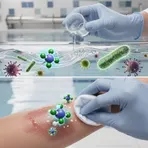
A chemical with chlorine and nitrogen used to kill germs in water and on skin


 1
8.7
1
8.7
A medicine that kills germs and cleans skin or mouth before medical treatment
 1
9.8
1
9.8
A medicine that prevents urinary tract infections by killing bacteria
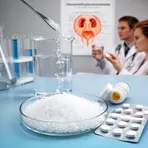
A white crystal used in labs and as a medicine to treat urinary tract infections
Surface Forms
Morphology
chloramine-T = chloramine (opaque) = chlor + amine + T
The addition of '-T' is specific to a chemical compound and does not follow general English morphological rules.
Etymology
Chloramine-T breaks into parts that tell you what it is: chloro- means 'chlorine' and -amine means 'a nitrogen part', so it is a chlorine-containing nitrogen chemical. The final T marks a special chemical group in the molecule, and because it has chlorine it is used to kill germs and act as a disinfectant.