
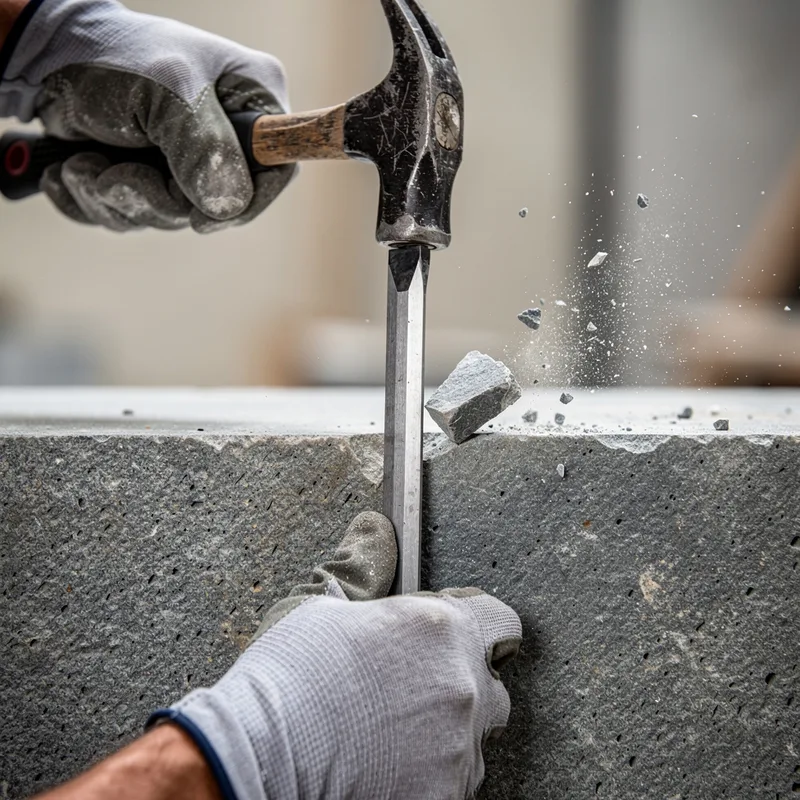
to chip off
 3
3.2
3
3.2

- phrasal verb
- /tʃɪp ɔf/
- He stopped to chip off a spiral shell with his clasp knife.
- paint chipped off
- chipping off pieces
- knock the chip off
Loading YouTube…
Watch on YouTubeOh, God, I just picture your teeth chipping off halfway.
- Oh, God, I just picture your teeth chipping off halfway.
- My thumb accidentally like chipped off.
Examples
-
While renovating my house, I chipped off a small piece of the old tile accidentally.
-
It's really thick in places, but that makes it much easier to chip off.
Blog text (15) -
The rock is a piece of a special meteorite which was chipped off upon impact 65 million years ago.
-
My sister nodded slightly, fiddling with a piece of wood that had chipped off the swing.
Fiction book (2001) -
By chipping off both sides, she’d created a jagged cutting edge.
Fiction book (1992) -
He used a chisel to chip off a piece of wood for his craft project.
-
The sculptor carefully chipped off fragments of stone to reveal the statue beneath.
Synonyms
 104
2.3
104
2.3
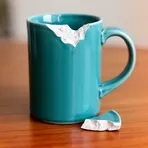
To break off a small piece of an object
 28
2.8
28
2.8
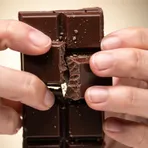
To make a piece come away from something by hitting or bending it
 21
3.9
21
3.9
To break into many small, sharp pieces like wood or glass
 12
2.6
12
2.6
To come off in thin flat pieces or make something lose thin flat pieces
 9
3.5
9
3.5
To break a piece from something with a quick, sharp movement
 3
3.9
3
3.9
To come off a surface in small thin pieces
 3
5.1
3
5.1
To break or cut something into thin narrow pieces


 1
9.7
1
9.7
To break off in small pieces from stone or concrete
Antonyms


How Much

Surface Forms
Morphology
The meaning is directly derivable from 'chip' (to break away a small piece) plus the particle 'off' (away from a surface), yielding the predictable sense 'to break off a small piece from a whole'. This verb+particle pattern is compositionally regular and cross-linguistically common, so a B1 learner who knows the constituents would readily infer the meaning.
Etymology
The verb chip off comes from the simple image of hitting a hard object so a small piece, a chip, comes off the larger surface. That's why it means 'to break off a small piece' today.