
chemical change
 1
3.7
1
3.7

- noun
- /ˈkɛmɪkəl ʧeɪndʒ/
- Specialized
- The process causes a permanent chemical change to the rubber's outer few molecular layers and allows it to bond with materials like polyurethane, latex, and other polymers.
- cause chemical changes
Examples
-
What you are seeing are the actual chemical changes to the landscape caused by the building materials and activities of the ancient Egyptians.
-
And very frequently we can recognize a chemical change that to new substances being made because there is a change of colour.
-
- The disturbance can cause chemical changes in the brain.
-
When a child learns something new, physical and chemical changes happen in the nerve cells of the brain.
Academic text (2005) -
Saliva seems to undergo chemical changes with aging.
Academic text (1999) -
Members of the conservation lab work to reverse the centuries of physical and chemical changes so that the artifacts can be displayed after being salvaged.
Blog text (29) -
It was as though some small but discernible chemical change had occurred to the internal balances within my body.
Blog text (27) -
Oden concluded from their work that invisible plumes of pollution could be transported long distances and could cause chemical changes in ecosystems far from cities and industry.
Academic text (1993) -
Heating lycopene-rich tomatoes instigates a chemical change that makes the heart-healthy nutrient much easier for your body to absorb.
-
Time and pressure combine with chemical changes to turn the plant material into coal.
Synonyms
 ∞
1.1
∞
1.1
A time when something becomes different
 241
3.7
241
3.7
A complete change in form or appearance, for example a caterpillar becoming a butterfly
 123
3.0
123
3.0
A process where substances change and form new substances
 24
3.1
24
3.1
A change where substances turn into different substances
 4
3.5
4
3.5
A process that changes the tiny particles that make a substance

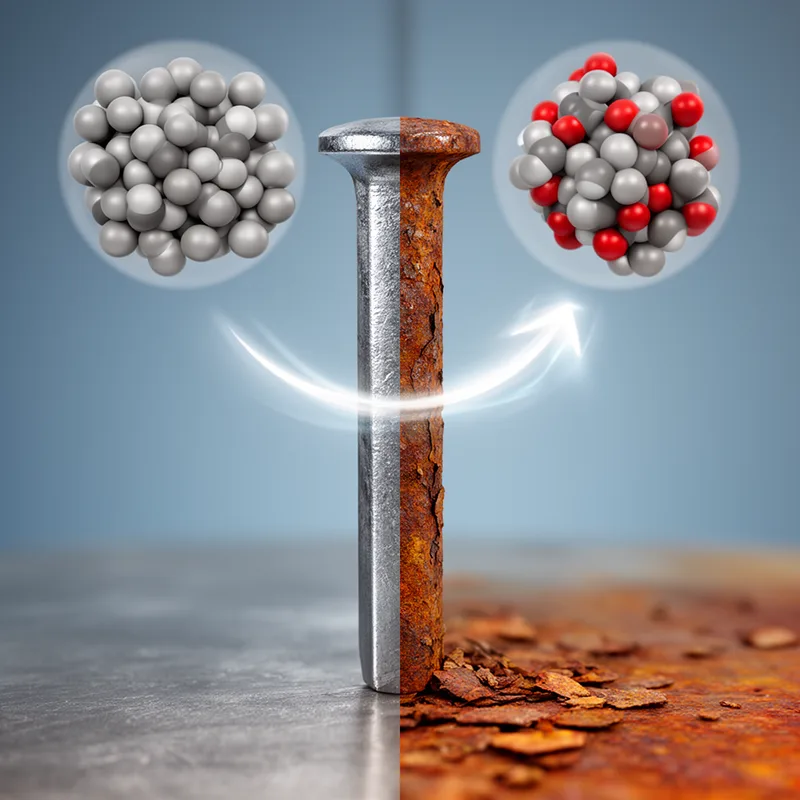
A process in which substances change into new substances, for example rusting or cooking
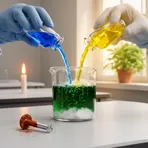
A change where substances become new substances when they react together
How Extensive
- Specialized
1
3.7

Surface Forms
Morphology
The meaning 'a process in which substances are transformed' is directly and compositionally derived from 'chemical' (relating to chemistry or chemical processes) + 'change' (a process of becoming different). This adjective+noun construction is regular and cross-linguistically common, so a B1 learner who knows both constituents would readily infer the MWE meaning.
Etymology
The term chemical change puts together chemical and change to picture what happens when a thing becomes a new material, like a raw egg turning into a cooked egg or a metal nail turning rusty. So, chemical change means 'a process that makes a substance become a different substance'.