

to change surface
- phrasal verb
- Exposure to high temperatures may change surface color and texture.
Examples
-
The new treatment can change surface properties to make the material more water-resistant.
-
The artist decided to change surface texture in her painting.
-
Engineers change surface characteristics to improve the performance of machine parts.
-
You can change surface materials easily.
-
Engineers change surface characteristics to improve the performance of machine parts.
-
Exposure to high temperatures may change surface color and texture.
-
The new treatment can change surface properties to make the material more water-resistant.
Synonyms

 493
2.5
493
2.5

To change something slightly or become different
 15
4.3
15
4.3
To cover something with a new outer layer
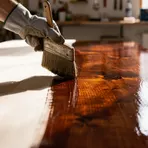 9
6.1
9
6.1
Make furniture or floors look new by removing old paint and putting on new paint
 4
3.9
4
3.9
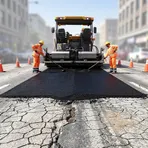
To put a new surface on a road or floor
 3
9.9
3
9.9
To change something into a very different form, often as if by magic
 2
4.2
2
4.2
To make a surface not smooth so it feels bumpy
 1
8.4
1
8.4
To make cloth or fur form tight, tangled patches from rubbing

To put a new surface on something to make it look or work better
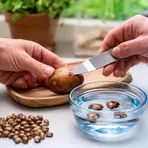
To make small cuts in seed coats so they take in water and grow
Antonyms

How Surface-Altered

Surface Forms
Morphology
The meaning 'to alter the exposed outer layer' is directly and transparently derived from combining 'change' (to alter) with 'surface' (the outer/top layer). This compositional verb + noun pattern is straightforward and cross-linguistically common, so a B1 learner who knows both words can infer the MWE's meaning.
Etymology
The verb change surface comes from the simple image of someone working on the outside of an object: they change the surface by sanding, painting, or adding a new layer so it looks or feels different. That's why it means 'to change the outside of something'.