

to matte
 1
8.4
1
8.4

- verb
- /mæt/
Examples
-
But no matter how clean the lines and matte the metal, we still complain.
Blog text (19) -
I'm actually going to matte out the eyelid and underneath the eye and down here the sides of the nose, I think.
-
And it's just going to just matte out and just be less irritating than if I didn't do this.
-
(I think they changed them from satin to matte for '13?)
Blog text (8) -
OK, so here is the shadow on both eyes and I can confirm that it does mat down like it doesn't feel creamy at all anymore.
-
The artist decided to matte the canvas to achieve a more textured finish.
-
To prevent glare, he chose to matte the surface of the wood before applying the varnish.
-
After sanding, she will matte the metal so it feels softer to the touch.
Synonyms
 1
4.9
1
4.9
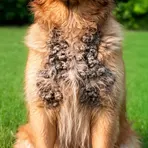
To become tangled into a thick mass, especially hair or fur


 1
8.1
1
8.1
To make wool or other fibers mat together and form a thick cloth

Hair or fabric becomes tangled and stuck together into a thick mass
How Matted
1
8.4
 46
3.7
46
3.7
Surface Forms
Etymology
Matte (verb) comes from the idea of making a 'mat' — the same idea as the English word mat for a small rug or a clump of fibers. To matte something is to make the fibres stick together into a dense, matted mass.