
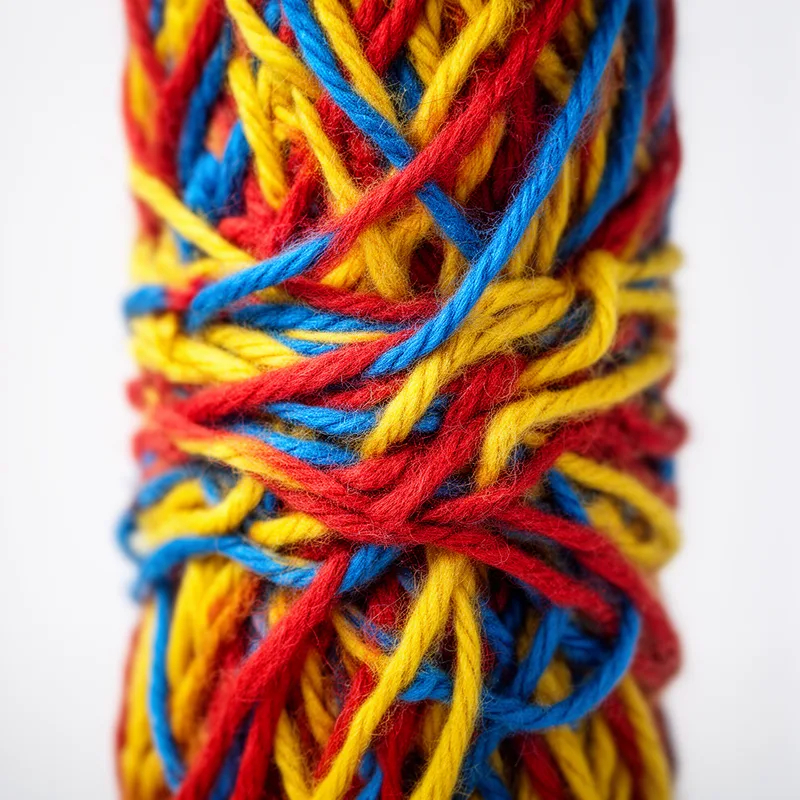
to tangle
 46
3.7
46
3.7

- verb
- /ˈtæŋɡəl/
- We got tangled up in a sack.
- get tangled
Loading YouTube…
Watch on YouTubeWrap it around, Probably curl and tangle my hair, but we're just going to we're just going to go with that.
- Wrap it around, Probably curl and tangle my hair, but we're just going to we're just going to go with that.
- Oh OK, so the fan me untie it and tangle it.
- Now when I'm out of the shower and the tangling my hair like this, I like to use tangle teasers, thick and curly.
Examples
-
The dog got its leash tangled around a tree as it tried to chase the squirrel.
-
My limbs got tangled up, and I almost ran into the person next to me.
Academic text (1997) -
But then, I got tangled in my own net.
-
My arms would get tangled in it; I could not get it over my head.
Fiction book (1990) -
Just months ago, little Winter was found tangled in the ropes of a crab trap.
-
You must have gotten tangled up in some of the reeds.
-
Floundering off-balance, the two cops tumble to the floor, tangled together, thrashing to get free.
Fiction book (1992) -
The strong horses bounded over the tangled ground, laboring hard, carrying the two elves steadily upward.
Fiction book (1992) -
She found her headphones tangled in the bottom of her backpack after a long day.
-
The kite got tangled in the branches of the tall tree, and we had to climb up to free it.
Synonyms
 46
5.4
46
5.4
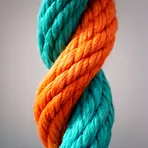
Twist things together so they become joined or tangled
 22
3.8
22
3.8
Mix things together in a confused way
 21
5.4
21
5.4
To twist things together, often like plants or rope
 6
4.9
6
4.9
Twist things together so they are hard to separate
 6
5.1
6
5.1
To cross things like fingers or strings so they hold together
 6
7.1
6
7.1
To make something more confused or tangled
 2
6.5
2
6.5
To make something tangled and difficult to understand
 1
4.1
1
4.1
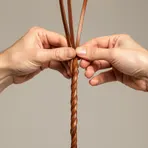
To twist threads together or wind them around something
 1
8.4
1
8.4
Twist or coil together into a tight, tangled mass
 1
4.9
1
4.9
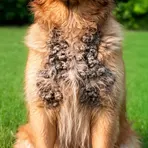
To become tangled into a thick mass, especially hair or fur

 1
6.4
1
6.4
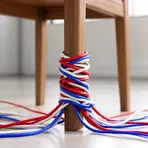
To twist something so it wraps around another thing and gets stuck
 1
7.8
1
7.8
Make things tangled or blocked so progress slows

To twist thin threads or wires together
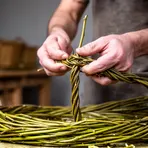
To twist threads or branches together to make something stronger
Antonyms

Phrasal Verbs

Compounds


- Australian
An orchid with tangled roots, thin wiry stems, and small fragrant green flowers
How Tangled

Surface Forms
Etymology
Tangle probably comes from an old word meaning 'to catch' or 'hook', so imagine tongs or a hook grabbing threads and holding them together. That's why to tangle hair or string is to twist and catch it until it is hard to separate.