

to snarl up


 1
7.8
1
7.8
- phrasal verb
- /snɑrl ʌp/
- UK
- Traffic is still snarled up on the Williamsburg Bridge.
- traffic was all snarled up
Examples
-
Let them get all snarled up in their dreary hive.
-
I'd like to, but it might snarl things up.
-
Hey, Sefton, what's snarling up the traffic?
-
It gets snarled up with flotsam, Uncle Frank goes in the water to free it, gets shot, and the girls have to finish the job under fire.
-
Heavy rains snarled up the traffic, causing many drivers to arrive late.
-
If we take that route, it may snarl up the entire journey due to construction.
-
The accident on the main road snarled up traffic for several hours.
Synonyms
 65
2.7
65
2.7
To make people confused and things messy
 52
3.0
52
3.0
To make something untidy, dirty, or not in the right place
 28
4.7
28
4.7
To make a story or idea hard to understand
 22
3.8
22
3.8
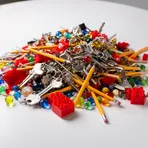
Mix things together in a confused way
 9
3.7
9
3.7
To block a drain or road so things cannot move through it
 7
7.2
7
7.2
Make a topic more confusing by adding unclear details
 6
7.1
6
7.1
To make something more confused or tangled
 6
7.2
6
7.2
To make moving parts stuck with dirt or glue so they stop working
 2
6.5
2
6.5
To make something tangled and difficult to understand

To make something more confused or tangled

To make a situation or story more confusing
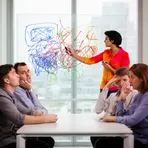
To make a problem more confusing instead of clearer

To make an idea or situation unclear and confusing

To make a plan or process become confused and fail

To become blocked or cause a block by dirt and grease
Antonyms


How Complicated

Surface Forms
Morphology
snarl + up
The verb 'snarl' already denotes entangling or jumbling, and the particle 'up' adds a sense of completion/intensification, so the combined meaning 'cause to become tangled or blocked' follows directly from the constituents. This is a regular verb+particle composition common in English (especially for traffic becoming blocked), so a B1 learner who knows the parts should be able to infer the MWE meaning.
Etymology
The phrasal verb snarl up comes from the picture of ropes, wires, or hair that get twisted into a tight knot. When the snarl happens and things pile up, nothing can move, so the phrase means to make something 'tangled' or 'blocked'.