

caddice-fly
- noun
- /ˈkædɪsˌflaɪ/
- Larvae of the caddice-fly construct protective cases using small pebbles and plant material from their aquatic environment.
Examples
-
The caddice-fly is often found near freshwater streams.
-
Many freshwater fish feed on caddice-fly larvae during their development.
-
Larvae of the caddice-fly construct their cases with small pebbles and plant material.
-
The caddice-fly is often found near streams and ponds during the summer months.
-
Did you see the caddice-flies fluttering around the pond?
-
Many freshwater fish feed on caddice-fly larvae, which are an important part of their diet.
-
The caddice-fly is commonly seen fluttering around ponds and streams, especially in the summer.
Synonyms

A small moth-like insect whose young live in water and build cases from sand and plants
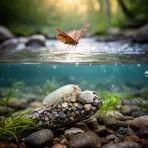
A small insect like a moth whose young live in water and build protective cases from stones and plants
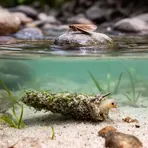
A small insect with wings like a moth whose larvae live in water and build cases from sand and plants

A small moth-like insect whose young live in water and build protective cases
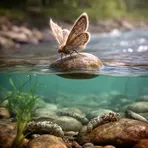
A small flying insect like a moth with hairy wings whose young live in water
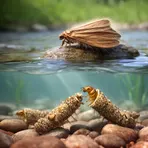
An insect like a caddis fly whose larvae live in water and build protective cases

A small insect like a moth with hairy wings whose young live in water

A small insect whose young live in water and build a case from sand and plant bits
Surface Forms
Morphology
Etymology
The word caddice-fly comes from the old name caddis, and a helpful way to remember it is to picture the larvae making a tiny 'case' of stones and plant bits around themselves. So a caddice-fly is the small moth-like insect whose young live in a protective 'case' in the water.

