
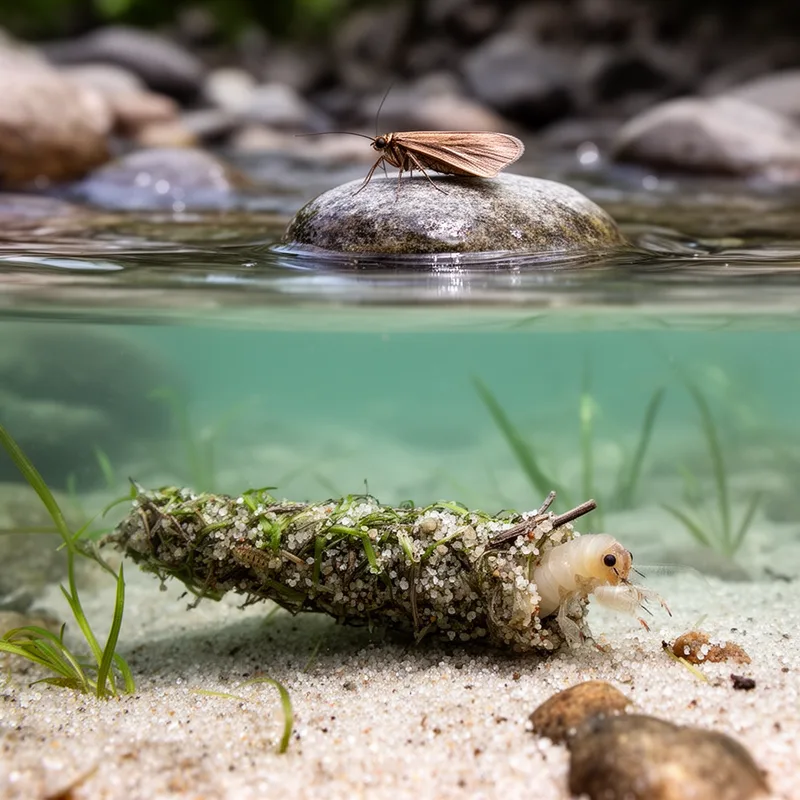
caddis fly
- noun
- /ˈkædɪs flaɪ/
- The caddis fly larvae create intricate cases out of pebbles and plant material for protection as they grow.
Examples
-
We observed a caddis fly resting on the riverbank during our field study.
-
The caddis fly is often found near freshwater.
-
The caddis fly larvae build protective cases out of sand and small twigs underwater.
-
Trout often feed on caddis fly larvae, making them popular among fly fishermen.
-
Many caddis flies can be seen in the summer.
-
In early spring, the river was teeming with caddis flies flitting above the surface of the water.
-
Fishing enthusiasts often use patterns that mimic caddis flies to attract trout during the warmer months.
Synonyms
 341
1.0
341
1.0

A small animal with a body in three parts, six legs and often wings

A small moth-like insect whose young live in water and build protective cases

A small moth-like insect whose young live in water and build cases from sand and plants
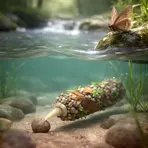
A small moth-like insect whose young live in water and build cases from pebbles and plants
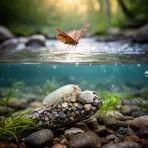
A small insect like a moth whose young live in water and build protective cases from stones and plants

A small insect whose young live in water and build a case from sand and plant bits
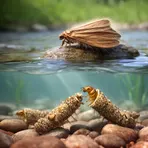
An insect like a caddis fly whose larvae live in water and build protective cases
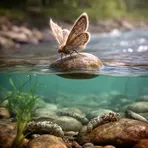
A small flying insect like a moth with hairy wings whose young live in water

A small insect like a moth with hairy wings whose young live in water

A young insect that lives in water and builds a protective case from silk and nearby sand or plant bits
How Technical
- Specialized

- Specialized
- Specialized
Surface Forms
Morphology
The compound is a straightforward noun-noun composition: 'caddis' (a specific aquatic moth/larval type) + 'fly' (a small insect) yields an insect of the caddis type. This follows common English naming patterns for animals, so a B1 learner who knows both constituents can derive the meaning.
Etymology
Caddis fly may come from an old word for 'coat' or 'cover'. Young caddis build little cases from sand and plant bits and live inside them underwater, so the name fits an insect that is 'covered' in a tiny home.