

trichopteran
- noun
- /ˌtrɪkˈɒptərən/
- Specialized
- The larvae of the trichopteran spend most of their time building protective cases from sand and debris.
Examples
-
Scientists observed several species of trichopteran in the freshwater stream ecosystem.
-
A trichopteran can often be distinguished by its hairy wings, unlike most other aquatic insects.
-
The trichopteran larvae are fascinating to study.
-
Many trichopterans can be found near freshwater sources.
-
Scientists observed several species of trichopteran in the freshwater stream ecosystem.
-
The larvae of the trichopteran spend most of their time building protective cases from sand and debris.
-
Many trichopterans can be found near freshwater sources.
Synonyms
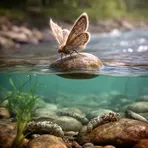
A small flying insect like a moth with hairy wings whose young live in water

A small insect like a moth with hairy wings whose young live in water

A small moth-like insect whose young live in water and build protective cases
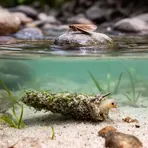
A small insect with wings like a moth whose larvae live in water and build cases from sand and plants

A small moth-like insect whose young live in water and build cases from sand and plants

A small insect like a moth whose young live in water and build protective cases from stones and plants

A small moth-like insect whose young live in water and build cases from pebbles and plants

A small insect whose young live in water and build a case from sand and plant bits
How Technical
- Specialized

- Specialized
- Specialized
Surface Forms
Morphology
trichopteran = Trichoptera (opaque) = Trichoptera + an
Formed from a technical taxonomic name (Trichoptera) plus the suffix -an; both the order name and the Greek combining elements are specialized and not transparent to average learners.
Etymology
Trichopteran comes from Greek roots trich- and pteron, meaning 'hair' and 'wing'. So, the name fits: many of these insects, the caddis flies, have 'hairy' wings and young that live in water and build protective cases.

