
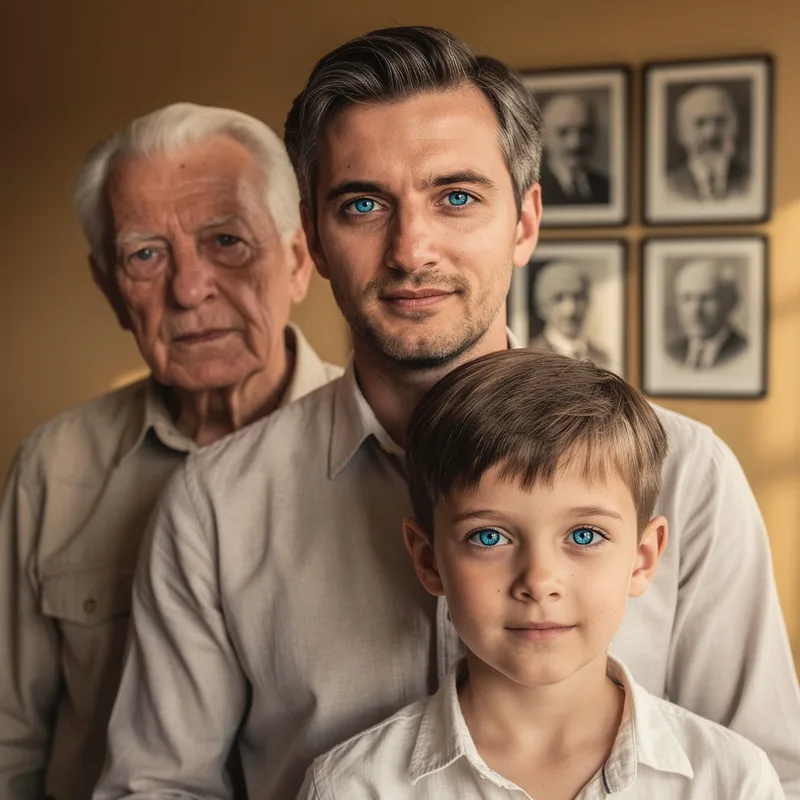
bloodline
 57
4.8
57
4.8

- noun
- /ˈblʌdˌlaɪn/
- I ran for duty's sake, for the preservation of a kingdom and a bloodline that no longer exists.
- noble bloodline
- royal bloodline
Loading YouTube…
Watch on YouTubeShe told me that the royal bloodline would end with me.
- She told me that the royal bloodline would end with me.
- Why do I care about like continuing the bloodline?
- You just started to like create a wealth of money for yourself and for your bloodline that can't be competed with.
- And if you have Norwegian ancestors, I would say there's a high probability there somewhere in your bloodline.
- Now this might be to do with genetics in certain bloodlines, but for me I think it has to do with the fact that as collies, they love to chase, bite and nip.
- And it also depends on the bloodline, because certain bloodlines, they call it the big tusker bloodline, they have massive tusks and their offspring will have massive tusks.
- Maybe it's just behaviors that have been passed down the bloodline.
- Quote the royal bloodline ends with you.
- He's a great bloodline ruler king.
- So if you could get that in your, your, your DNA and your bloodline to always have plan D ready.
Examples
-
I am the last of the true bloodline of Rohan.
-
The images are all familiar to us and all connected with the bloodline's history.
Fiction book (1996) -
And now I am one of my first that I know of in my bloodline to return back to Africa.
-
My daddy stated in his will that the home stay in his bloodline and never be sold.
-
If you feel strongly about continuing your bloodline, have just one kid of your own.
Blog text (17) -
She told me that the royal bloodline would end with me.
-
We carry the bloodline of the Ancient Bahou.
-
Catholic leaders emphasized commitment to American ideas and institutions, not bloodlines, as the essence of an American's identity.
Academic text (1991) -
CALEB: Every generation, the bloodlines produce only one: The eldest male.
-
We could trace Rayna's bloodline back to wherever her ancestors come from.
Synonyms
 639
4.1
639
4.1
Family history passed down from your ancestors
 198
5.6
198
5.6
A series of related people or events over time
 163
2.3
163
2.3
The family background and country where someone’s family comes from
 57
4.1
57
4.1
The family you come from over many generations
 51
4.6
51
4.6
The family a person comes from, for example parents or grandparents
 46
5.5
46
5.5
A list of family members who came before you
 20
5.8
20
5.8
The family or ancestors that someone comes from
 14
5.3
14
5.3
A record of a person or family's ancestors that shows an important background
 7
5.3
7
5.3
Who a person's mother and father are and their family background
 5
3.2
5
3.2
A group of people who are related by birth over many generations
 1
9.9
1
9.9
A blood relation between people from the same family
 1
3.8
1
3.8
The people in a family who are related by blood across generations

A family line that shows where a person comes from

A record showing a person's ancestors across generations
Surface Forms
Morphology
Etymology
The word bloodline comes from two plain words: blood (meaning 'family or family ties') and line (meaning 'a row or series'). So a bloodline is the line of people connected by blood, which is why we use it for family descent and for the heritage of animals.