
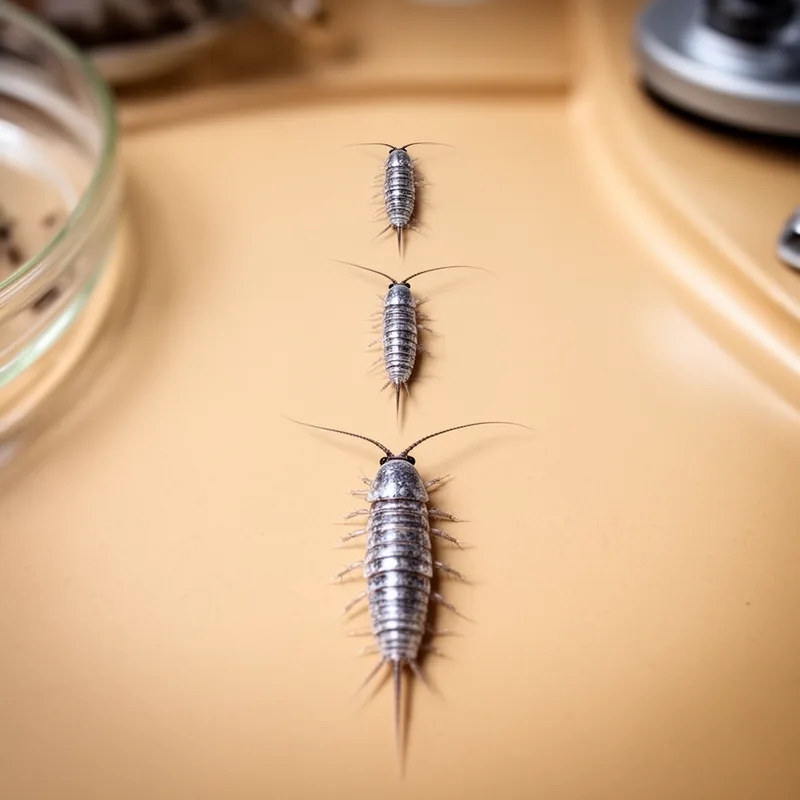
ametabolous
- adjective
- /ˌæməˈtæbələs/
- Specialized
- The silverfish is an example of an ametabolous insect, as it shows little change from nymph to adult.
Examples
-
Unlike butterflies, which are holometabolous, springtails develop through an ametabolous process.
-
The ametabolous insects do not undergo significant changes as they grow.
-
In entomology, ametabolous species are considered more primitive than those that undergo metamorphosis.
-
Many ametabolous species, like silverfish, remain similar throughout their life.
-
The silverfish is an example of an ametabolous insect, as it shows little change from nymph to adult.
-
In entomology, ametabolous species are considered more primitive than those that undergo metamorphosis.
-
Many ametabolous species, like silverfish, remain similar throughout their life.
Synonyms
An animal that does not change form much as it grows
How Much Metamorphosis

Surface Forms
Morphology
ametabolous = metabolous (semi-transparent) = a + metabol + ous
The prefix 'a-' indicates 'without', and 'metabolous' relates to metamorphosis; however, the specific biological context may not be immediately clear to all learners.
Etymology
The word ametabolous starts with a- meaning 'not' and shares the idea of 'change' you find in metamorphosis. So an ametabolous insect shows 'no big change' as it grows from young to adult.

