

Ranunculus
 1
9.5
1
9.5

- noun
- /rəˈnʌŋkjələs/
- Specialized
- Ranunculus bulbosus.
- tulips and Ranunculus
- anemone and Ranunculus
Examples
-
That was the florist, Linda, saying the bouquets - do not have to be ranunculus.
-
These are nice ranunculus.
-
Did you have a conversation about ranunculus?
-
We've also got some white ranunculus right here.
-
So let's tackle the ranunculus and anemones first.
-
Look at the chocolate mushrooms and the vase with pink Ranunculus.
Blog text (5) -
with ranunculus, "little frogs"
Fiction book (2001) -
No one will remember if your centerpieces had peonies (beloved by brides everywhere and quite expensive) or ranunculus (a much less expensive lookalike).
Blog text (23) -
Cane, scribbling down this new combo I pictured of lapis-colored anemones clashing brazenly with orange ranunculus.
Fiction book (1994) -
The bright yellow ranunculus flowers bloomed beautifully in the spring sunlight.
Compounds

- Specialized
A common yellow buttercup that grows in meadows in Europe and North America

- Specialized
A water plant with white flowers and leaves that float or grow under water found in ponds and slow streams

- Specialized
A buttercup plant that lives for several years, has golden yellow flowers and bulb-like roots, and blooms in late spring
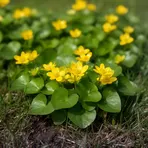
- Specialized
A small wild plant with heart-shaped leaves and bright yellow flowers
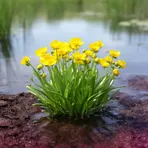
- Specialized
A small plant like a buttercup that grows in wet places with bright yellow flowers
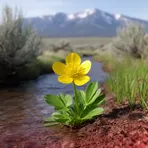
- Specialized
A small yellow buttercup that blooms early in spring in western North America
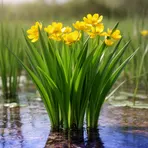
- Specialized
A plant that grows in wetlands with long pointed leaves and yellow buttercup flowers

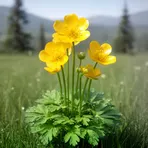
- Specialized
A buttercup plant that lives for many years with bright yellow flowers in western North America
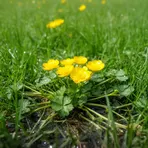
- Specialized
A low plant with bright yellow flowers that spreads along the ground in wet grass
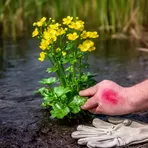
- Specialized
A yearly buttercup that grows in wet places and can cause skin irritation
Surface Forms
Etymology
Ranunculus comes from the Latin parts rana meaning 'frog' and -culus meaning 'little', so it literally means 'little frog' because these plants often grow in wet places where frogs live. So, thinking of a 'little frog' helps you remember that Ranunculus includes buttercups and other flowers that like marshy ground.