

Phylloxera vitifoleae
- noun
- Specialized
- The devastation caused by Phylloxera vitifoleae led to a major crisis in European vineyards in the 19th century.
Examples
-
Grape growers introduced resistant rootstocks to combat the threat of Phylloxera vitifoleae.
-
Research continues into natural predators of Phylloxera vitifoleae to help protect grape yields.
-
The Phylloxera vitifoleae infestation devastated the vineyard.
-
Farmers are concerned about Phylloxera vitifoleae this season.
-
Grape growers introduced resistant rootstocks to combat the threat of Phylloxera vitifoleae.
-
Research continues into natural predators of Phylloxera vitifoleae to help protect grape yields.
-
The devastation caused by Phylloxera vitifoleae led to a major crisis in European vineyards in the 19th century.
Synonyms

A small insect that attacks grapevines by feeding on their roots and leaves
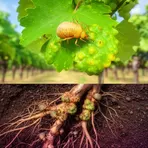
A small insect that sucks sap from grapevines and damages their roots and leaves
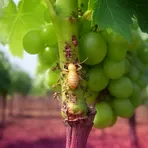
A small insect that lives on grape plants and damages them
Surface Forms
Morphology
phylloxera + vitifoleae
This is a scientific Latin binomial name; its meaning as a particular species is technical and not compositionally derived in everyday English. The second element is non‑transparent (not found in the learner's dictionary) and even knowing 'phylloxera' would not make the full taxonomic sense predictable to a B1 learner.
Etymology
Phylloxera vitifoleae paints a simple picture: Phylloxera suggests tiny lice and vitifoleae points to 'vines' or 'grape leaves'. Imagine tiny lice hiding on roots and leaves, sucking the vine's juice until the plant becomes weak and dies, so the name is used for the small pest that destroys 'grape plants'.

