
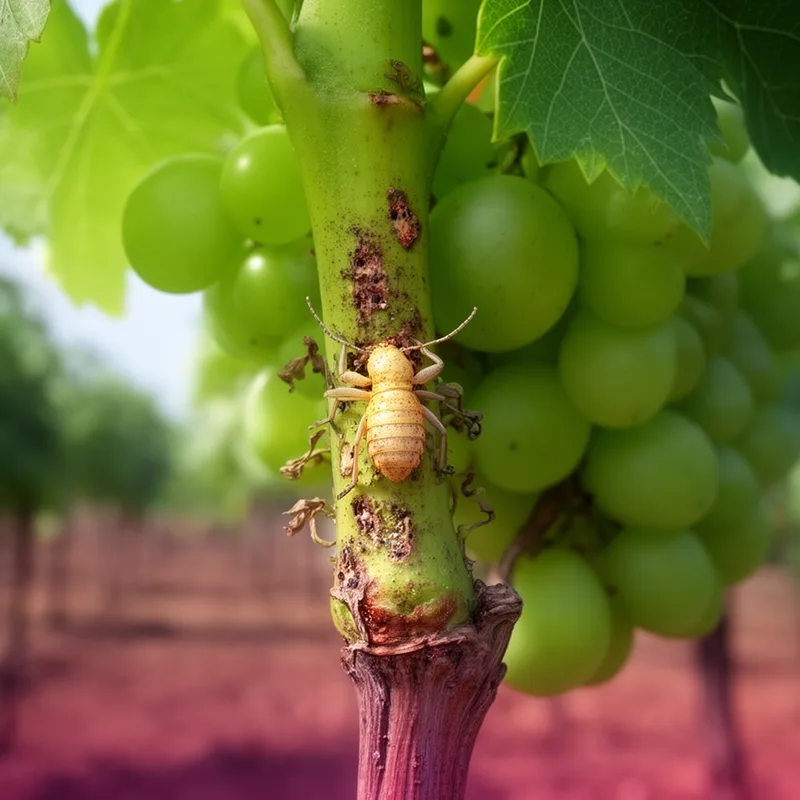
grape louse
- noun
- /ɡreɪp laʊs/
- The vineyard suffered serious losses when the grape louse infested the roots.
Examples
-
After the grape louse invaded the vineyard, many plants began to wilt and die.
-
The grape louse can cause significant damage to grape plants if not controlled.
-
Farmers inspect their grapes each season to check for signs of grape louse activity.
-
Scientists are researching ways to protect vines from the damaging grape louse.
-
The grape louse is a serious threat to vineyards.
-
Farmers are concerned about the grape lice infesting their crops.
-
Farmers inspect their vines regularly for any signs of grape louse infestation.
Synonyms

A tiny aphid-like insect that attacks and kills grape plants

A small insect that attacks grapevines by feeding on their roots and leaves
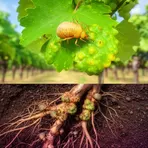
A small insect that sucks sap from grapevines and damages their roots and leaves

A small insect like an aphid that sucks juices from plants

A small insect that sucks sap from plants
Surface Forms
Morphology
The compound 'grape louse' straightforwardly combines 'grape' (the plant/fruit) with 'louse' (a small sap‑sucking insect), so its meaning as an insect pest of grape plants is directly derivable from the constituents. This noun–noun compounding pattern is cross‑linguistically common, so an average B1 learner who knows both words would readily infer the intended meaning even if they do not know the specific species name (phylloxera).
Etymology
Grape louse comes from the simple picture of tiny 'lice' on grape plants: the word louse was used for very small insects that attack plants, and grape shows what they attack. These little pests suck the plant's juices and can damage or kill vines, so the name now means 'a small insect pest that infests and damages grape plants'.

