

grape phylloxera
- noun
- /ˈɡreɪp fɪˈlɒksərə/
- Specialized
- The destruction of vineyards in Europe was largely caused by grape phylloxera in the 19th century.
Examples
-
Many modern grape varieties have been bred to resist grape phylloxera infestations.
-
Quarantine measures are vital to prevent the spread of grape phylloxera to new wine-growing regions.
-
The grape phylloxera infestation devastated the vineyard last year.
-
Farmers are concerned about grape phylloxera affecting their crops.
-
Farmers are concerned about grape phylloxera affecting their crops.
-
Quarantine measures are vital to prevent the spread of grape phylloxera to new wine-growing regions.
-
The destruction of vineyards in Europe was largely caused by grape phylloxera in the 19th century.
Synonyms

A small insect that attacks grapevines by feeding on their roots and leaves

A tiny aphid-like insect that attacks and kills grape plants
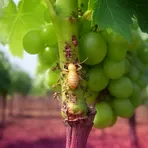
A small insect that lives on grape plants and damages them
Surface Forms
Morphology
The meaning is directly compositional: 'grape' specifies the host/target and 'phylloxera' names the insect, so a learner who knows both constituents will infer it refers to the phylloxera that affect grapevines. Although 'phylloxera' is a technical term, the noun+noun subtype (host + pest) is straightforward and cross-linguistically common, making the compound immediately interpretable.
Etymology
Grape phylloxera names a tiny bug that sucks sap from grape vines; picture many little insects feeding on roots and leaves until the plants become weak or die. So, the term refers to a harmful 'insect' that can destroy grapevines.

