
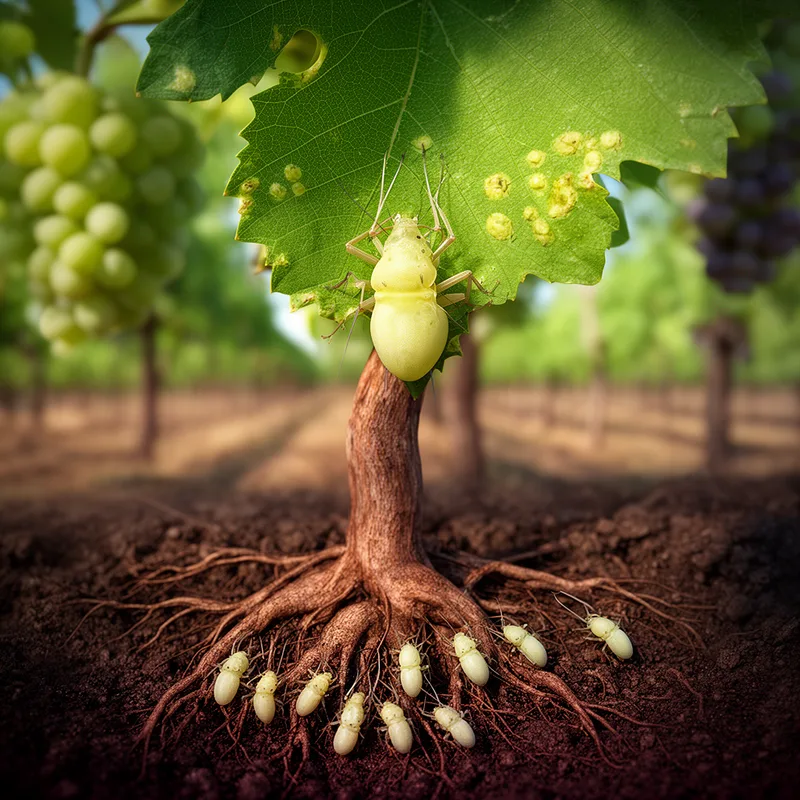
phylloxera
- noun
- /fɪˈlɒksərə/
- Specialized
 :
filoxera
:
filoxera
- In the 19th century, phylloxera devastated French vineyards, leading growers to seek resistant grape varieties.
Examples
-
And muscadines are one of the grape species most resistant to phylloxera, an insect that can kill the roots of grapevines," he says.
Academic text (1997) -
The use of Sazerac de Forge et Fils ended in the late 19th century when a phylloxera epidemic resulted in a brandy shortage.
Blog text (4) -
The phylloxera infestation caused significant damage to the vineyard's roots, threatening the entire grape crop.
-
Farmers are concerned about phylloxera because it can severely impact the health of their grapevines.
Synonyms
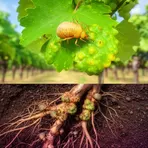
A small insect that sucks sap from grapevines and damages their roots and leaves

A tiny aphid-like insect that attacks and kills grape plants
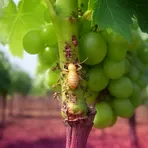
A small insect that lives on grape plants and damages them
Compounds
- Specialized
A small insect that sucks sap from grapevines and damages their roots and leaves
Surface Forms
Etymology
Phylloxera comes from Greek parts phyllo- and -xera, which you can think of as 'leaf' and 'louse'. A helpful way to remember the word is that it literally means 'leaf louse', so it names a tiny insect that attacks grape leaves and roots.

