

Orycteropus
- proper noun
- /ˌɔrɪkˈtɛrəpəs/
- Specialized
- Scientists have classified the aardvark as Orycteropus afer in taxonomic literature.
Examples
-
The Orycteropus is known for its long ears and snout.
-
Fossil remains of extinct Orycteropus species have been discovered in several parts of Africa.
-
The only living species in the genus Orycteropus is the aardvark.
-
Did you know that the Orycteropus primarily feeds on ants and termites?
-
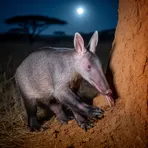
The Orycteropus, commonly known as the aardvark, feeds on ants and termites in the African savannah.
-
Researchers studied the Orycteropus to understand its unique adaptations for foraging.
-
The Orycteropus is recognized for its long snout and powerful digging claws.
Synonyms
 11
7.4
11
7.4

A large African animal that is active at night, digs burrows, and eats ants and termites

A group of mammals that includes the aardvark

A group of African mammals that dig burrows and eat ants and termites, including the aardvark

A group of African digging animals that eat insects, including the aardvark

A mammal with a long snout and strong claws that digs burrows and eats termites at night
Compounds
Surface Forms
Etymology
Orycteropus comes from Greek parts orycter- meaning 'digger' and -pus meaning 'foot', the same -pus you see in octopus. So the name says 'digger-foot', which fits the aardvark, an animal that digs with its feet.