

Orycteropodidae
- noun
- /ˌɔrɪktəˈrɒpəˌdaɪ/
- Specialized
- The Orycteropodidae family includes the aardvark, a nocturnal mammal known for feeding on ants and termites.
Examples
-
The Orycteropodidae family contains only a single living species, the aardvark.
-
Researchers study the Orycteropodidae to understand evolutionary adaptations for digging.
-
Fossil records suggest that Orycteropodidae were once more widespread in ancient Africa.
-
The Orycteropodidae family includes the aardvark, which is known for its long snout.
-
Did you know that Orycteropodidae are primarily nocturnal animals?
-
Researchers study the Orycteropodidae to learn more about their unique burrowing behavior and diet.
-
Fossil evidence indicates that the Orycteropodidae were once abundant across various habitats in ancient Africa.
Synonyms
 11
7.4
11
7.4

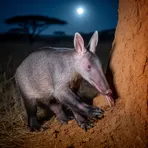
A large African animal that is active at night, digs burrows, and eats ants and termites
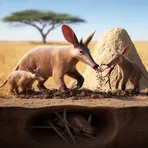
A group of African digging animals that eat insects, including the aardvark
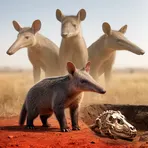
A group of African mammals that includes the aardvark

A group of mammals that includes the aardvark

A mammal with a long snout and strong claws that digs burrows and eats termites at night

A mammal in Africa that is active at night and digs burrows to eat termites
Surface Forms
Etymology
Orycteropodidae comes from Greek parts orykter meaning 'digger', pod meaning 'foot', and the family ending -idae. So it means a 'digger-foot family', which fits the aardvark — an African burrowing mammal that digs with strong feet to find ants and termites.