

Ixodes
- noun
- /aɪˈkoʊdiːz/
- Specialized
- The Ixodes genus includes ticks that parasitize mammals, birds, and reptiles.
Examples
-
Several species within the genus Ixodes are known to transmit Lyme disease.
-
The Ixodes genus includes ticks that parasitize mammals, birds, and reptiles.
-
Researchers collected Ixodes ticks from various locations to study their behavior.
-
The Ixodes tick is known for carrying Lyme disease.
-
Many species of Ixodes can transmit harmful pathogens.
-
Several species within the genus Ixodes are known to transmit Lyme disease.
-
Researchers collected Ixodes ticks from various locations to study their behavior.
Compounds
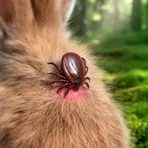
- Specialized
A hard-bodied tick that spreads Lyme disease to animals like rabbits
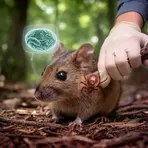
- Specialized
A tick that rarely bites people but carries Lyme bacteria to wood rats


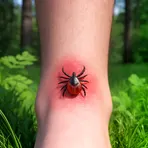
- Specialized
A small tick in Europe that bites mammals, including humans, and can spread Lyme disease

- Specialized
A small black tick that bites animals and people and can spread Lyme disease
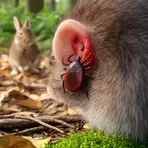
- Specialized
A small hard tick in North America that spreads Lyme disease to small wild animals like rabbits and rats
Surface Forms
Etymology
Ixodes comes from the Greek word ixos, which means 'sticky' (a glue used to catch birds). Ticks in this group get the name because they cling or 'stick' to animals and people.

