

Eryngium yuccifolium
- noun
- Specialized
- Eryngium yuccifolium is often called rattlesnake master due to its folk medicinal uses.
Examples
-
The tall spikes of Eryngium yuccifolium attract butterflies to prairie gardens.
-
The Eryngium yuccifolium is often found in dry, sandy soils.
-
Native Americans once used Eryngium yuccifolium as a traditional remedy for snake bites.
-
Many herbalists recommend Eryngium yuccifolium for its medicinal properties.
-
Native Americans once used Eryngium yuccifolium as a traditional remedy for snake bites.
-
Eryngium yuccifolium is often called rattlesnake master due to its folk medicinal uses.
-
Many herbalists recommend Eryngium yuccifolium for its medicinal properties.
Synonyms

A tall, prickly plant with round flowers that people once used to treat snakebites

A tall prickly plant with spiky leaves and round flower heads once thought to cure rattlesnake bites
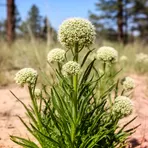
A coarse prickly plant from the United States that lives for many years and has round flower heads
Surface Forms
Morphology
Eryngium + yuccifolium
This is a Latin binomial (scientific species name) rather than a normal compositional English phrase, so its identification as the specific herb ‘rattlesnake master’ is a taxonomic label not inferable by a B1 learner. One constituent is not a common English word and the other is a specialized botanical term, so knowing ordinary constituent meanings would not let a learner derive the plant identity or historical medicinal sense.
Etymology
Eryngium yuccifolium got the common name 'rattlesnake master' because one popular story says people long ago used its strong roots and sharp, round flower heads as a remedy for rattlesnake bites, and the round, spiky blooms looked a bit like a rattlesnake's rattle. That's why the name links the plant with treating snakes.

