

Eryngium
- noun
- /ˈɛrɪnˌdʒiəm/
- Specialized
- The spiky blue flowers of Eryngium add striking texture to summer gardens.
Examples
-
I saw an Eryngium blooming in the garden.
-
Eryngium is often dried and used in floral arrangements due to its unusual appearance.
-
She planted several varieties of Eryngium along the garden border for their ornamental value.
-
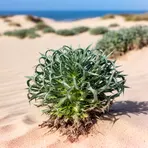
The Eryngium plant thrives in sandy soils.
-
The striking eryngiums add drama to borders and dried arrangements.
-
Long-lasting in the garden and as cut or dried flowers, eryngiums are ornamental for much of the garden year.
-
Whether perennial, biennial, or annual, all eryngiums have blossoms like thimbles surrounded by multirayed bracts.
Synonyms
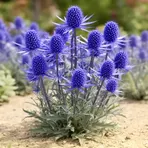
A group of flowering plants called sea hollies with thistle-like blue flower heads
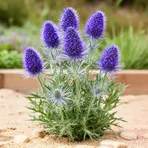
A spiny plant with blue or purple flower heads often grown in gardens

A prickly plant with blue or purple flowers often called sea holly

A plant with spiny leaves and blue flowers often grown in gardens
Compounds

- Specialized
A rough, prickly plant from the southeastern United States that grows in wet places and has scented roots

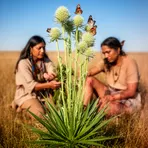
- Specialized
A tall, prickly prairie plant once used in folk medicine for snake bites
- Specialized
A group of flowering plants called sea hollies with thistle-like blue flower heads
Surface Forms
Etymology
Eryngium comes from an old Greek name eryngion, which was used for a prickly, thistle-like plant called 'sea holly'. That's why modern Eryngium plants are known for their spiny, holly-like flower heads and are often used in gardens and dried arrangements.

