

Castanea chrysophylla
- noun
- Specialized
- Gardeners appreciate Castanea chrysophylla for its attractive foliage and edible nuts.
Examples
-
The Castanea chrysophylla is native to the woodlands of Oregon and California.
-
The Castanea chrysophylla is a unique tree found along the Pacific Coast.
-
Wildlife often feed on the seeds produced by Castanea chrysophylla trees.
-
Have you ever seen a Castanea chrysophylla in the wild?
-
Gardeners appreciate Castanea chrysophylla for its attractive foliage and edible nuts.
-
The Castanea chrysophylla is native to the woodlands of Oregon and California.
-
Wildlife often feed on the seeds produced by Castanea chrysophylla trees.
Synonyms
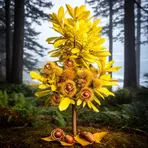
A small evergreen tree of the Pacific Coast with shiny yellow-green leaves and edible nuts

A small evergreen tree with shiny yellow-green leaves and edible nuts

A small evergreen tree from the Pacific Coast with shiny yellow green leaves and edible nuts
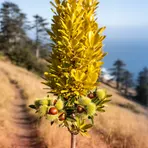
A small evergreen tree from the Pacific Coast with shiny yellow-green leaves and edible nuts
Surface Forms
Morphology
Castanea + chrysophylla
This is a scientific binomial name in Latin; the second element 'chrysophylla' is not a common English word and is listed as not found, so a B1 learner who knows 'Castanea' (a genus) would not be able to derive the species meaning or the common name from the parts. Botanical Latin names follow taxonomic conventions rather than regular English composition, making the overall meaning unpredictable for learners without specialist knowledge.
Etymology
Castanea chrysophylla comes from old Greek words: Castanea means 'chestnut' and chrysophylla means 'golden leaf'. So the name paints a picture of a small chestnut-like tree with shiny yellow-green leaves and edible nuts, which is why people call it the 'golden chinquapin'.

