

California sage
- noun
- US
- The hillside was covered with California sage, giving the landscape a silvery tint.
Examples
-
Hikers enjoy the scent of California sage along the coastal trails in spring.
-
The California sage grows well in dry climates.
-
Gardeners often choose California sage for its drought resistance and aromatic fragrance.
-
Many gardeners appreciate the California sage for its drought resistance.
-
Gardeners often choose California sage for its drought resistance and aromatic fragrance.
-
Hikers enjoy the scent of California sage along the coastal trails in spring.
-
The hillside was covered with California sage, giving the landscape a silvery tint.
Synonyms
 8
7.7
8
7.7

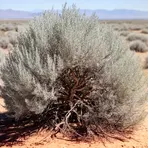
A woody bush with grey leaves and a strong smell that grows in dry areas

A low grey shrub from California with scented leaves

A low grey bush that grows near the coast and smells strong when you touch its leaves
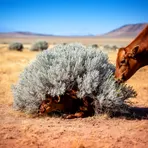
A low bush with pale grey leaves that gives animals shelter and food

A low shrub with many branches and pale grey leaves that gives shelter and food to wild animals

A low, many-branched plant with silvery leaves that shelters wildlife
Surface Forms
Morphology
The phrase names a type of sage associated with the place 'California'; a learner who knows 'California' (a place) and 'sage' (the herb/shrub) can infer this refers to a sage plant native to California. Place-name + noun compounds are compositional and cross-linguistically common, so the meaning is directly derivable from the constituents.
Etymology
California sage is named for how it looks and where it grows: California shows the place and sage refers to its grey leaves and herbal smell like kitchen 'sage'. So the name helps you picture a sage-like shrub from California.