

wounding
- adjective
- /ˈwuːndɪŋ/
- After their argument, he realized the wounding comments had hurt her feelings.
Loading YouTube…
Watch on YouTubeAnd so so our sympathy for her is that it's it's wounding behavior that you can't help.
- And so so our sympathy for her is that it's it's wounding behavior that you can't help.
- Professor Parrots himself has recognized what he called the wild and wounding nature of his words.
- And it was very, very unsettling because I, I, I found it, you know, both wounding and also destabilizing.
Examples
-
And it was very, very unsettling because I, I, I found it, you know, both wounding and also destabilizing.
-
Now, that was quite a wounding thing for a Prime Minister to say about a party that I LED.
-
So that was a moment of wounding for him.
-
So that was a moment of wounding for him.
-
That's a huge piece that has been such a big part of my wounding through life has been thinking there's something wrong with me.
-
People tend to be drawn to each other because they're similar wounding, even though they tend to show it differently.
-
The I'm not saying women, by the way, are immune to these kinds of ego woundings because I think it happens on both sides.
-
Because subconsciously there's this wounding and A and a lack of deservability and it's unconscious.
-
The sudden criticism felt wounding, leaving her emotionally shaken.
-
His wounding words about her performance affected her confidence deeply.
Synonyms
 737
1.0
737
1.0

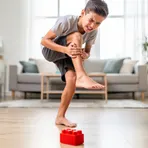
Making someone feel physical hurt or strong emotional upset
 80
3.1
80
3.1
Likely to cause harm to a person or to their things
 2
6.3
2
6.3
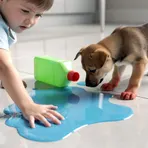
Causing strong emotional pain and making you feel upset
 1
2.9
1
2.9
Causing harm to living things like people or animals

Causing long-lasting physical or emotional harm

Very hurtful in words, or sharply cold in weather
Antonyms


How Hurtful

Surface Forms
Morphology
Etymology
Wounding comes from wound, which means 'injury' or 'cut'. A helpful image is to think of a sharp word that 'cuts' a person inside, so a wounding remark causes emotional pain.