
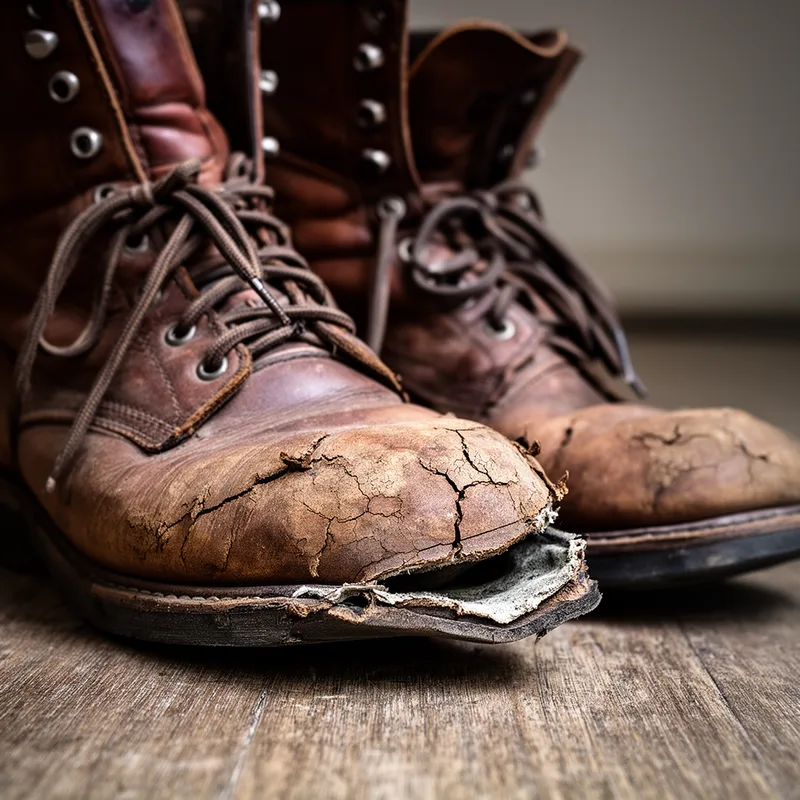
worn-out
 20
3.1
20
3.1

- adjective
- /wɔrn aʊt/
- I held onto the door handle as our minivan lurched down the road on worn-out shocks.
- old worn-out
Loading YouTube…
Watch on YouTubeAnd this is what we mean most often when we talk about mills being worn out.
- And this is what we mean most often when we talk about mills being worn out.
- People have said all sorts of things about God throughout history, and the name is kind of like a worn out coin at this point.
- So you will have to replace the rubber bands every once in a while too because they're going to get worn out and they'll break.
- Just as if I were to say the book is orange or the book is rather worn out.
- Not only it helps to optimize existing neuron function, but it also tells your brain to replace old, worn out neurons and replace them with new neurons.
Examples
-
In darkness, I sit in my sofa chair, feeling the worn-out grooves on the armrests.
Fiction book (1991) -
All this stuff is worn out.
-
And my shoes are just about worn out from all this walking.
Fiction book (1991) -
All they left us were their worn-out horses.
-
I was in the back, between two men in worn-out suits who smelled worse than I did.
Fiction book (2001) -
The dwarf still stood in his duffel jacket and worn-out shoes, watching him.
Fiction book (1999) -
Suddenly exhausted and worn out, Santolalla collapsed onto a stool in the little salon.
Fiction book (1998) -
After running the marathon, I felt completely worn out and needed to rest.
-
The old couch was so worn out that it was no longer comfortable to sit on.
-
Her worn out shoes were a testament to the many miles she had walked.
Synonyms
 41
5.2
41
5.2
Damaged and worn from rough use over a long time
 24
4.4
24
4.4
In very poor condition and not working because of age or neglect
 23
4.7
23
4.7
Damaged and worn from being hit or used a lot
 23
2.9
23
2.9
Feeling very tired and having no energy
 16
2.3
16
2.3
Damaged or broken so it does not work
 9
6.6
9
6.6
A building or vehicle that is very old and in poor condition from lack of care
 8
6.8
8
6.8
Looking or feeling tired and in poor condition after use
 1
9.9
1
9.9
Old and no longer useful because of age
 1
1.1
1
1.1
Harmed so it works or looks worse


 1
8.6
1
8.6
Very tired or worn and not able to work well
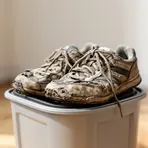
An object that has been used a lot and is now damaged or not useful
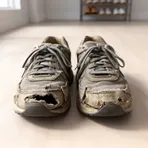
Used so much that it looks old or no longer works well

An object that is damaged and has many marks from rough use
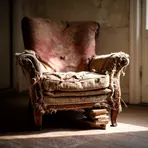
Worn and in bad condition from long use
Antonyms

How Worn

Surface Forms
Morphology
Etymology
Worn-out comes from the common verb wear, which means 'to use something until it becomes thin or damaged', and the word out, which means 'completely'. So a worn-out object is one that has been used so much it is used up or no longer useful.