
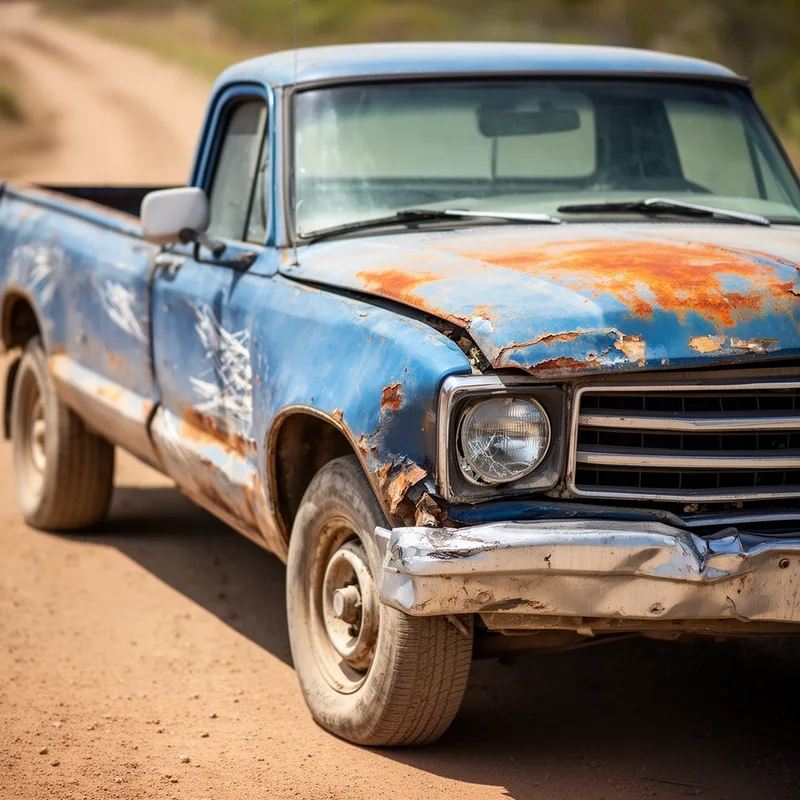
beat-up
 41
5.2
41
5.2

- adjective
- /ˈbiːtˌʌp/
- He's come from work and is still wearing beat-up shorts, heavy boots, and crew socks.
- a beat-up old car
Loading YouTube…
Watch on YouTubeHis kids could have beat up shoes with holes in them.
- His kids could have beat up shoes with holes in them.
- I thought it was like a beat up train, but just paint splatters.
- This palette is beat up because I use it so much.
- That must be the OR the scan of that beat up grill.
- It's pretty beat up and it's only been half of the school year.
- But after years of filming on it, this thing is beat up.
- The first thing I ever got from a company right here, and they're all beat up too.
- And it's beat up because he's a a violent misogynist.
Examples
-
So why are you still wearing that beat up, old thing?
-
That beat-up old chair has been in the family for years.
-
It's pretty beat up and it's only been half of the school year.
-
Looks like it's been beat up.
-
You know those well loved beat up stuffed animals that you had as a kid?
-
This palette is beat up because I use it so much.
-
You notice how beat-up the church was, how dirty inside, and how clean they all were.
Academic text (2009) -
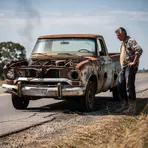
Did you see those kids sitting in that beat-up truck shivering to death?
Fiction book (1994) -
Meanwhile, we were hauling stuff around in our old, beat-up jalopies.
-
My skateboard looks really beat-up after all the tricks I've tried.
Synonyms
 24
4.4
24
4.4
In very poor condition and not working because of age or neglect
 23
4.7
23
4.7
Damaged and worn from being hit or used a lot
 20
3.1
20
3.1
An object too old or damaged from heavy use to be useful
 8
6.4
8
6.4
So badly torn and ruined that it cannot be used, like clothes or plans
 4
2.1
4
2.1
Damaged and showing signs of long use
 3
6.6
3
6.6
Having a rough, worn look after being outdoors in sun or wind
 1
4.8
1
4.8
Become damaged or broken into pieces after a hard hit
 1
6.8
1
6.8
Damaged and worn so it no longer works well
 1
1.1
1
1.1
Harmed so it works or looks worse
 1
4.5
1
4.5
In a very poor state after long use or damage


 1
4.1
1
4.1
Having marks or small faults that make something less good
 1
5.1
1
5.1
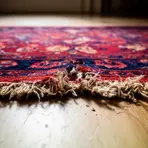
Worn and damaged at the edges from long use
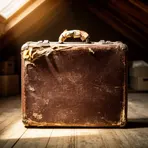
An object that is damaged and has many marks from rough use
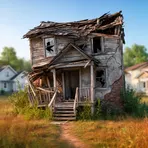
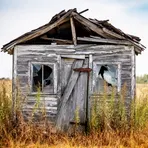
A building that is old, not cared for, and falling apart

Having a mark or fault that makes it look worse

A thing damaged and worn by storms

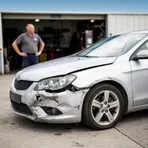
Badly damaged after an accident or disaster
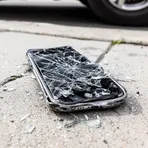
Badly damaged, often crushed by a strong hit or accident
Antonyms


How Damaged

Surface Forms
Morphology
Etymology
Beat-up comes from beat ('to hit') and up (a word that makes the meaning stronger), so imagine something that has been hit and used so much it looks worn and damaged.