

worn-out
- adjective
- /wɔrn aʊt/
- He's a worn-out man.
Loading YouTube…
Watch on YouTubeAnd the people who used to step in and help them are now worn out.
- And the people who used to step in and help them are now worn out.
- This role is also really worn out.
- Because their pleasure centers get worn out by being noticed over and over and over again.
- Yeah, do a little bit, hang boarding and lock up training, and then just keep on bouldering until we're worn out.
Examples
-
You look so tired and worn out.
-
You both look worn out.
-
You seem a bit worn out lately.
-
Maybe I'm a little worn out
-
I am worn out and I'm hungry now.
-
Tufty was worn out from following him around.
-
She's worn out, poor woman.
-
You're just worn out, you're tired.
-
I was worn out.
-
After a long week of work, I felt completely worn-out and needed some rest.
Synonyms

 129
3.2
129
3.2

Feeling very tired after hard work or long effort
 104
2.0
104
2.0
Very tired and completely used up for a person or thing after using all energy
 27
4.4
27
4.4
Very tired after doing too much work for a long time
 13
4.1
13
4.1
Feeling very tired and having no energy
 10
6.7
10
6.7
Very tired or no longer interesting because people use it too much
 9
7.4
9
7.4
Extremely tired with no energy
 8
6.8
8
6.8
Looking or feeling tired and in poor condition after use
 5
3.7
5
3.7
Used many times so it looks old or damaged
 4
2.1
4
2.1
Damaged and showing signs of long use
 3
8.5
3
8.5
Feeling very tired and having no energy
 3
6.4
3
6.4
Very tired after doing hard work for a long time
 1
5.1
1
5.1
Being very tired and without energy
 1
9.0
1
9.0
Feeling very tired and without energy


 1
8.6
1
8.6
Very tired or worn and not able to work well
 1
9.9
1
9.9
Very tired in both body and mind from long trouble or hard work

Very tired and with no energy left

Feeling very tired with no energy left

Feeling very tired after hard physical or mental effort

Feeling very tired and unable to do much

Very low on energy and unable to do much
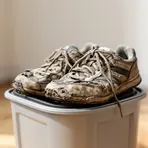
An object that has been used a lot and is now damaged or not useful
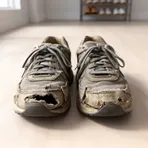
Used so much that it looks old or no longer works well

Very tired after a lot of activity or a long day
Antonyms

How Tired

Surface Forms
Morphology
Etymology
Worn-out comes from the verb wear, which can also mean 'to make tired', plus out, meaning 'completely', and you can hear the same idea in the phrase 'to wear someone out'. So a person who is worn-out is completely exhausted or very tired.