
overworn
- adjective
- /ˌoʊvərˈwɔrn/
- The sofa looked overworn and faded after so many years in the living room.
Examples
-
The overworn phrase no longer impressed the audience.
-
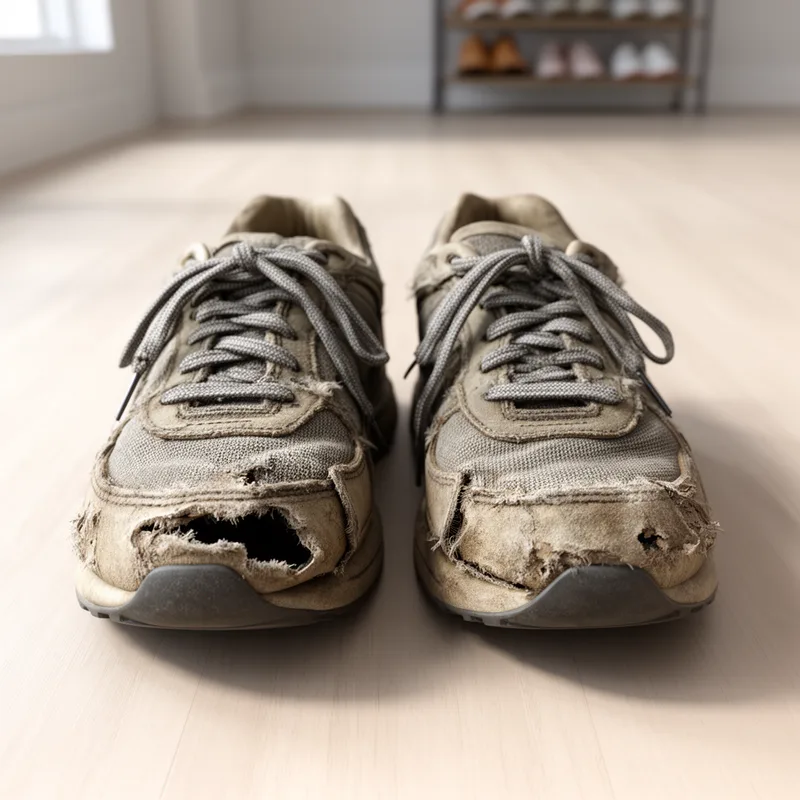
He replaced his overworn shoes after years of daily use.
-
The overworn shoes were no longer comfortable.
-
Her overworn coat looked faded and old.
-
After years of use, her favorite shoes became so overworn that they lost their original shape.
-
The library's collection of classic novels is becoming overworn due to constant borrowing.
-
His overworn backpack showed signs of fraying after carrying books for countless semesters.
Synonyms

 78
5.0
78
5.0

No longer useful or fashionable because it is old
 32
8.2
32
8.2
Very old and not useful or suitable now
 23
2.9
23
2.9
Feeling very tired and having no energy
 20
3.1
20
3.1
An object too old or damaged from heavy use to be useful
 11
6.5
11
6.5
No longer fashionable or useful
 10
6.7
10
6.7
Very tired or no longer interesting because people use it too much
 9
6.6
9
6.6
A building or vehicle that is very old and in poor condition from lack of care
 5
3.7
5
3.7
Used many times so it looks old or damaged
 4
2.1
4
2.1
Damaged and showing signs of long use
 2
5.2
2
5.2
No longer at its best or in good condition
 2
4.0
2
4.0
Used so often that it does not feel new and seems boring
 1
3.2
1
3.2
To become no longer fresh or interesting
 1
9.9
1
9.9
Old and no longer useful because of age
 1
6.8
1
6.8
No longer new or fashionable


 1
6.5
1
6.5
Showing signs of long use, like yellowed pages or a cracked spine
 1
5.1
1
5.1
Worn and damaged at the edges from long use

Old, tired ideas that are no longer interesting

Presented again with little change and lacking new ideas

Old-fashioned and stale in style or ideas
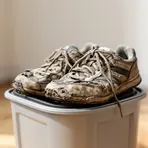
An object that has been used a lot and is now damaged or not useful
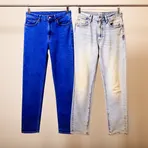
Clothes or photos with color that is no longer bright and looks washed out
Antonyms

How Worn

Surface Forms
Morphology
Etymology
Overworn comes from over- ('too much') and worn (from 'wear', 'to use until it is old'). A helpful image is an old pair of shoes used so much they are faded and weak, so an overworn phrase or object has lost its value or 'freshness'.