

witness
 889
2.5
889
2.5

- noun
- /ˈwɪtnəs/
- One witness said he saw a girl with your description.
- according to witnesses
- interview a witness
- victims and witnesses
Loading YouTube…
Watch on YouTubeThe call came in from an independent witness that he was hitting her.
- The call came in from an independent witness that he was hitting her.
- She's like, she's as powerful a witness as any person could be.
- So the, the, I heard this directly from the witnesses, the children now adults, they said.
- There wasn't one single witness in that entire film that came to us.
- I think she's an attractive good witness, but it's way early.
- And then she draws the footprint for us, which a lot of the witness described this.
- And I couldn't, nobody wanted to be a witness, of course.
- You did very well in the pull ups and you had some witnesses in the push ups.
- I'm not sure exactly, but the guy, that witness, the guy that got shot in the arm, he's.
- So I think it's possible to navigate out of the witnesses without that.
Examples
-
These are the voices of witnesses to those momentous days.
-
There was no cross-examination of this witness, and I was surprised at that.
Fiction book (1992) -
- The witness knows the guy.
-
- Witness says there was another car after you, a green car?
-
The call came in from an independent witness that he was hitting her.
-
Police questioned witnesses, but no suspects were detained.
-
The subsequent trial lasted more than three years, heard 176 witnesses, and gained access to intelligence files.
Academic text (2008) -
Exposure to repetitive bullying, either as a victim and/or witness in school, was reported by all participants.
Academic text (2008) -
You're all my witnesses.
-
The witness recounted the details of the accident in court.
Synonyms
 305
2.8
305
2.8
A person who watches and notices things, often to give expert opinion
 235
3.2
235
3.2
A person who saw an event, for example a crime or accident, and can describe it
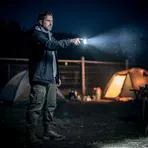 89
3.9
89
3.9
A person who watches a place or people to keep them safe
 21
5.8
21
5.8
A person who looks at something
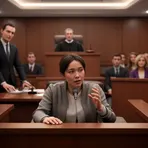

 1
6.9
1
6.9
A person who gives evidence in court about what they personally saw or experienced
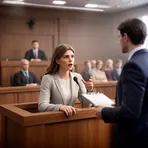 1
6.3
1
6.3
A person who speaks in court to tell what they know
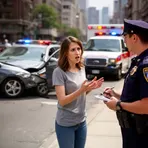
A person who sees an event like a crime or accident and tells what happened

A person who watches and signs a document to show it is true
Compounds
 59
3.9
59
3.9
A government program that keeps people who testify safe by moving them and giving new names
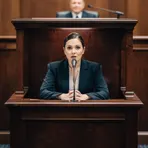

- Specialized
23
4.6
A person with special knowledge who gives an opinion in court about a subject they know well

- Formal
21
6.0
A person whose statement is very important to the main question in a court case
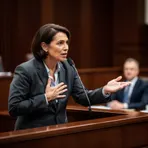 19
5.6
19
5.6
A person who speaks in court about another person's good character and honesty
 12
7.3
12
7.3
A person in a Christian group that teaches the world will end soon and tells others their beliefs


- Jargon
7
7.3
A witness expected to speak against the side that called them and questioned by the other lawyer

- Formal
4
8.8
Saying false things in court on purpose after promising to tell the truth

- UK
4
4.2
An enclosed area in a courtroom where a person sits to tell the judge or jury what they saw
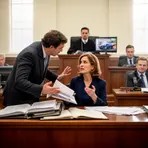
- Formal
1
8.7
A witness called by a party whose evidence is likely harmful and may be questioned more freely
- Jargon
1
6.9
A person who gives evidence in court about what they personally saw or experienced
How Reliable

Surface Forms
Morphology
witness = wit (opaque) = wit + ness
Although historically formed from 'wit' + '-ness', the modern noun senses ('person who sees/attests') are not predictably derived from 'wit' (mental knowledge) and '-ness' for an average learner.
Etymology
Witness comes from the old English root wit meaning 'knowledge', so it originally meant 'one who knows'. That's why a witness is someone who saw an event and can tell what happened.