

windigo
 2
9.9
2
9.9

- noun
- /ˈwɪndɪɡoʊ/
- NSFW
- The stories of the windigo are passed down through generations, reminding us of the dangers of consuming too much.
Examples
-
I am Tonto of the Comanche, last of the windigo hunters.
-
Many believe that the windigo is a warning against greed and selfishness in human nature.
-
My people call this spirit "windigo."
-
He called it "windigo," like the ghost stories we tell our children.
-
We have read that among the Chippewa, "evil" shamans (the Wa'bano) are considered to be in union with the windigo.
Academic text (1997) -
"And true to the nature of the cannibalistic windigo," he said to me gently, 'Fetch more' (T, 140).
Academic text (1997) -
In Algonquian folklore, the windigo is a terrifying spirit that drives people to cannibalism.
Synonyms
 105
8.3
105
8.3
A small, ugly creature that causes trouble for people
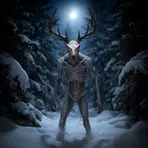 11
9.9
11
9.9
A dangerous spirit from North American stories that eats people
 4
5.9
4
5.9
An imaginary being like a dragon or unicorn with magical powers
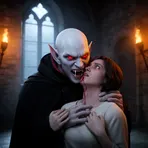 1
9.9
1
9.9
A mythical creature that drinks blood from living people
 1
9.9
1
9.9
A ghost or goblin from Scottish and northern English stories


 1
8.1
1
8.1
A frightening creature from stories or legends that is not real
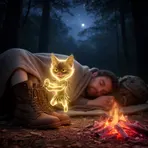 1
9.9
1
9.9
A small mischievous spirit that plays tricks on people at night
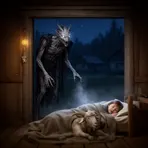
An evil creature from old stories that comes at night to harm people or animals

A scary spirit from Caribbean stories that frightens people

A creature from North American stories said to be strange and scary
Surface Forms
Etymology
Windigo comes from Algonquian languages (for example Ojibwe and Cree) and from the word wiindigoo, which was used for an 'evil spirit' or 'one who eats humans'. This image of a hungry, dangerous spirit helps explain why windigo names a terrifying monster in northern stories.