
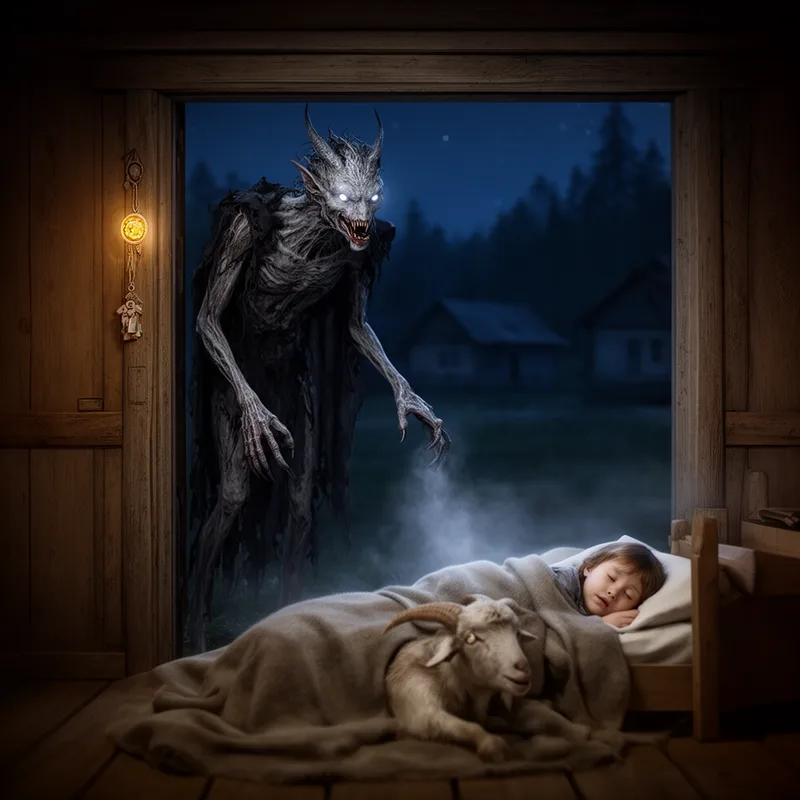
striga
- noun
- Archaic
- Legends tell of a striga who would steal into homes and cause mysterious illnesses.
Examples
-
The villagers feared the striga that was said to haunt the forest at night.
-
Some believed that only a special charm could protect them from the striga.
-
The striga is terrifying.
-
Don't fear the striga!
-
The villagers feared the striga that was said to haunt the forest at night.
-
Legends tell of a striga who would steal into homes and cause mysterious illnesses.
-
Some believed that only a special charm could protect them from the striga.
Synonyms
 790
4.1
790
4.1

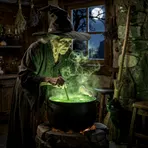
A woman believed to have magical powers in stories
 102
9.9
102
9.9
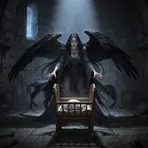
A female night spirit in old stories who attacks babies and is said to be Adam's first wife
 11
9.9
11
9.9
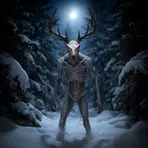
A dangerous spirit from North American stories that eats people
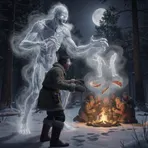 2
9.9
2
9.9
An evil spirit in Algonquian stories that makes people want to eat others
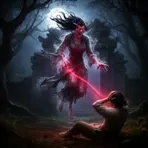

 1
8.4
1
8.4
A female spirit that harms people in myths or stories
 1
7.4
1
7.4
A fairy who wants to harm people or cause trouble
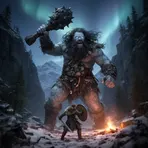 1
9.9
1
9.9
A giant monster in Norse stories that fights gods or people
Surface Forms
Etymology
Striga comes from old European names for a 'witch' or evil night spirit, like Italian strega. In folk stories a striga sneaks in at night to harm people or animals, which is why the word means a dangerous, night-time witch.