

to weather
 1
9.9
1
9.9

- verb
- /ˈwɛðər/
- Specialized
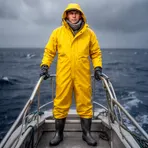
- To successfully weather the rough seas, the crew adjusted the sails and navigated skillfully.
Examples
-
I believe God meant for me to make this voyage as he means for us to weather this storm and return to Spain in triumph.
-
To weather was fun if you sailed a loose tack, letting the boat play the wind a bit to keep steady.
Blog text (17) -
A thin man with graying hair and sad, vacant eyes, he was deeply pessimistic about his ship's ability to weather the storm.
Fiction book (1998) -
If Chelsea can weather Barca's offense, there's no reason why they shouldn't be able to contain Bayern's attack.
Blog text (5) -
The sailor learned to weather the strong winds by steering his ship into the oncoming waves.
-
When facing strong storms, it is essential for a captain to weather the conditions carefully.
Idioms












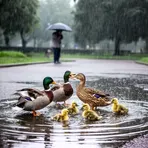
Phrasal Verbs



Compounds
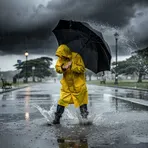
 30
2.5
30
2.5
A United States government agency that gives weather forecasts and warnings

 24
1.9
24
1.9
The state of the air at a place and time, like temperature, wind, clouds, or rain


- Specialized
11
2.7
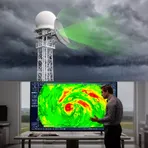
A place with instruments and people who measure and record the weather


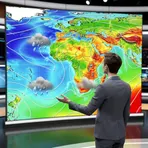
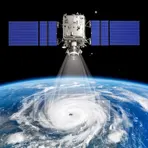
- Specialized
4
3.5
A satellite made by people that takes pictures and information about the Earth's weather


- Informal
2
5.6
A person who helps only when things are good and leaves during problems




- Specialized
1
6.4
Top outside part of a ship open to rain and wind that protects the area below

- Specialized
1
3.5
A thin piece of material placed around doors and windows to stop cold air, water or dust from entering










- Specialized
A map that shows weather in a place at one time, like wind and temperature


Surface Forms
Etymology
The nautical verb weather comes from Old English weder and was used by sailors for moving a ship toward the wind to pass a danger safely, so picture a captain steering into the wind to avoid rocks. That is why to weather a headland or storm means to get past it by handling the wind.