
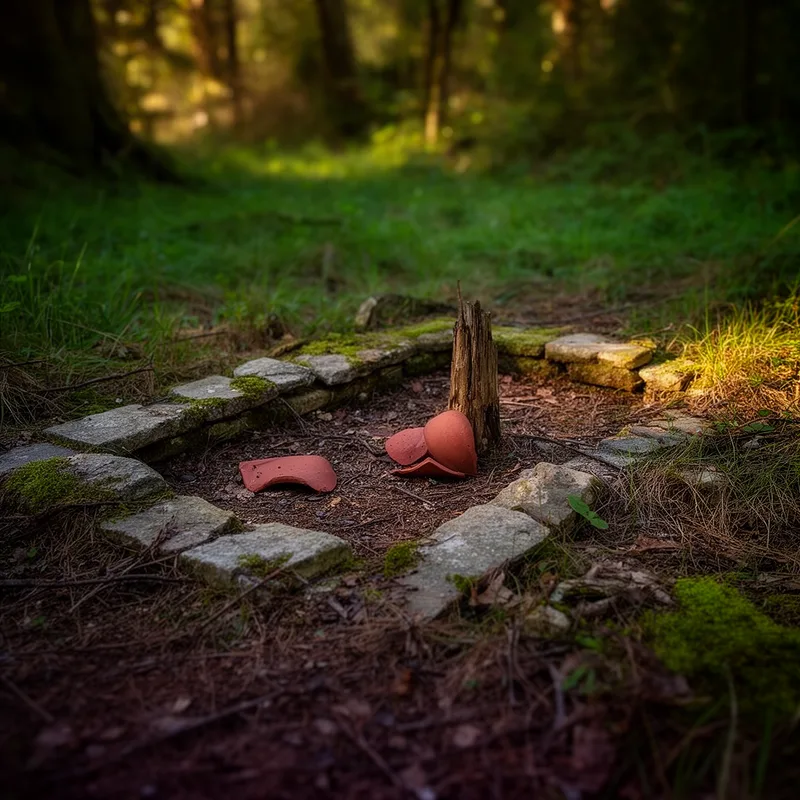
vestigia
- noun
- /vɛˈstɪdʒiə/
- Archaic
- The forest path revealed vestigia of a long-forgotten village.
Examples
-
The archaeologists found only vestigia of the ancient settlement.
-
In the old library, scholars searched for vestigia of lost manuscripts.
-
The archaeologists discovered ancient vestigia of a long-lost civilization.
-
In literature, vestigia often symbolize the passage of time.
-
The archaeologists uncovered the vestigia of an ancient civilization buried beneath the sand.
-
In his book, the historian examined the vestigia of past cultures through their artifacts and architecture.
-
Poets often seek the vestigia of lost love in their writings, reflecting on what once was.
Synonyms

 104
4.2
104
4.2

A small piece, often cloth, left when the rest is used or thrown away
 44
5.5
44
5.5
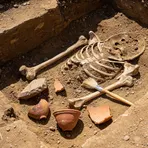
Old objects found in the ground that tell us about the past
 23
8.4
23
8.4
A small part that remains from something that once existed
 2
7.2
2
7.2
An object, custom, or idea from long ago that seems out of date

An old object that reminds people of an earlier time
How Much

Surface Forms
Etymology
Vestigia comes from the Latin vestigium, 'footstep' or 'trace', and is the source of the English word vestige. So vestigia means the traces or remains of something that once existed.