

vestigia
- noun
- /vɛˈstɪdʒiə/
- Archaic
- Fresh vestigia in the snow revealed that a deer had passed by recently.
Examples
-
The detective examined the muddy vestigia near the riverbank for clues.
-
We followed the vestigia of the deer through the forest.
-
The explorer followed the vestigia through the dense forest to find the lost group.
-
What do the vestigia tell us about the animal's path?
-
The naturalist discovered vestigia left by the ancient creatures that once roamed this area.
-
As they walked along the trail, the hikers spotted vestigia that suggested a bear had been nearby.
-
The archaeologist was intrigued by the vestigia that marked where early humans had camped.
Synonyms

 231
1.4
231
1.4

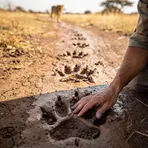
A visible sign left where a person or animal has passed
 23
4.5
23
4.5
A lasting sign that someone or something was once present and had an effect
 2
9.9
2
9.9
A sign left by an animal or person that shows where they went
 1
9.3
1
9.3
The track or footprint an animal leaves in soft ground


 1
7.0
1
7.0
Marks on the ground that animals, people, or vehicles make when they move
Surface Forms
Etymology
Vestigia comes from the Latin vestigium, which means 'footstep' or 'track', and is the same root you see in English vestige and investigate. So vestigia means the footprints or tracks left on the ground.