
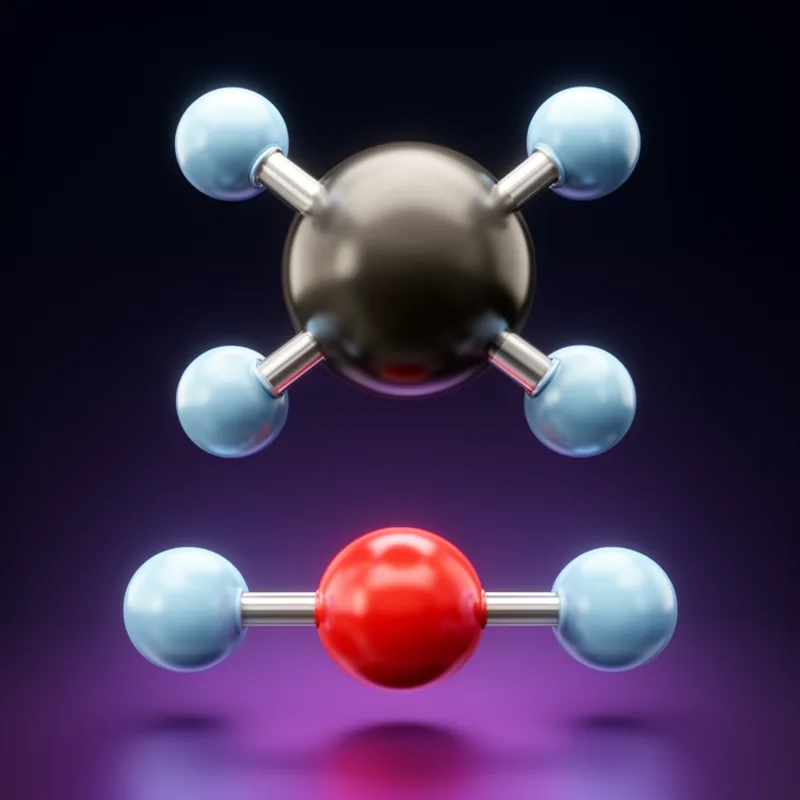
valency
- noun
- /ˈveɪlənsi/
- UK
- In chemistry, understanding the valency of an element helps predict how it will interact with others.
Examples
-
Archetypes, constructs of psychic energy in the collective unconscious, have by definition a dual valency—positive or negative.
Academic text (1996) -
He had produced a string theory some years earlier, but for benzene, the valencies of the constituent atoms did not fit.
-
The valency number of the ion being deposited or removed also comes into play.
Blog text (17) -
The valency of carbon allows it to form four bonds with other atoms, making it essential for organic compounds.
-
Sodium has a valency of one, meaning it can easily bond with other elements like chlorine.
Synonyms
 1
8.9
1
8.9

The number of chemical bonds an atom can form
How Many
- Specialized

- Specialized
- UK
- Specialized

 1
8.6
1
8.6
- Specialized
Surface Forms
Morphology
Etymology
Valency comes from the Latin valentia meaning 'strength', from valere 'to be strong', and it is the same root you see in value. So think of valency as an atom's 'strength' or ability to join with others, which is why it shows how many chemical bonds an atom can form.