

polyvalence
- noun
- /ˌpɒliˈveɪləns/
- Specialized
- The polyvalence of carbon allows it to form various compounds.
Examples
-
Many transition metals are known for their polyvalence in chemical compounds.
-
The concept of polyvalence helps explain the diverse bonding patterns seen in certain elements.
-
Researchers studied the effect of polyvalence on the stability of complex ions.
-
Many metals exhibit polyvalence in chemical reactions.
-
Many transition metals exhibit polyvalence because they can bond with several different atoms in chemical reactions.
-
The polyvalence of carbon is crucial for its ability to create a wide variety of organic compounds.
-
Researchers examined the polyvalence of certain elements to understand their complex bonding capabilities.
Synonyms



 1
9.9
1
9.9
The ability of an atom or ion to form more than two chemical bonds
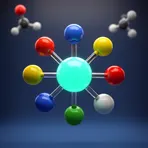
The ability of an atom or ion to form more than two chemical bonds

A state in which an atom can form more than two bonds
How Many
- Specialized

- Specialized
Surface Forms
Morphology
Etymology
The word polyvalence comes from poly- 'many' and valence 'capacity to join'. So in chemistry it means an atom or ion that can join with more than two other atoms or ions.