
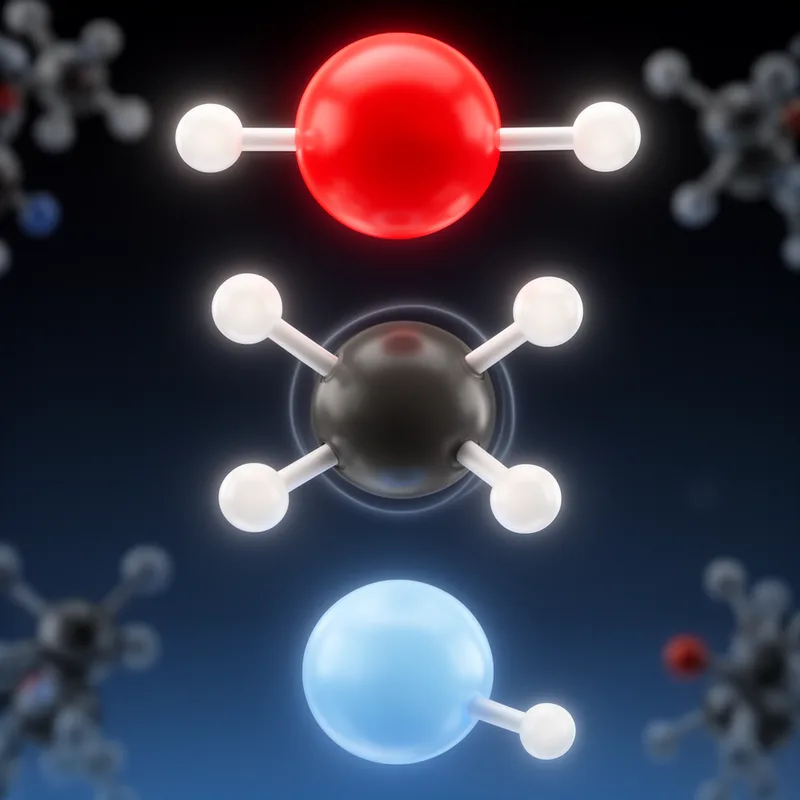
valence
 1
8.9
1
8.9

- noun
- /ˈveɪləns/
- Specialized
- OK, so I look at the valence orbitals.
- valence electrons
- valence band
- valence and conduction
Loading YouTube…
Watch on YouTubeSo we had orbitals in MO theory, valence bond theory.
- So we had orbitals in MO theory, valence bond theory.
Examples
-
The number of valence electrons in an atom determines its bonding behavior with other elements.
-
And how many valence positions are there on nitrogen?
-
The localization is stronger in the valence band because of the greater effective mass of its states.
Academic text (1994) -
At that time in the U.S., Valence Bond Theory was the accepted way for chemists to explain bonding.
Blog text (14) -
And this outermost shell is termed the valence, the valence shell.
-
Now, why is it that the core orbitals didn't mix and the valence orbitals did mix?
-
The high-energy photons kick out core- or valence-shell electrons.
Academic text (2004) -
The energy offsets in the conduction and valence bands block injected holes and electrons from reaching the opposite electrode.
Academic text (2006) -
Atoms in the same group typically have the same number of valence electrons and similar reactivity.
-
In chemical reactions, the valence of an element indicates how many hydrogen atoms it can bond with.
Synonyms
The number of bonds an atom can form with other atoms
Compounds

- Specialized

 1
6.5
1
6.5
A tiny particle in the outer part of an atom that can join with other atoms
How Many

Surface Forms
Etymology
Valence comes from the Latin word valentia, from valere meaning 'to be strong', the same root you see in the English word value. Think of an atom's 'strength' or 'ability to join' with others — that's why in chemistry valence shows how many bonds an atom can make.