

urinary calculus
- noun
- /ˈjʊrɪˌnɛri ˈkælkjələs/
- Specialized
- The patient was diagnosed with a urinary calculus after experiencing severe pain.
Examples
-
A large urinary calculus can sometimes block the flow of urine, requiring surgical intervention.
-
The doctor diagnosed her with a urinary calculus.
-
Doctors often use ultrasound to detect a urinary calculus in the kidney.
-
Many patients suffer from urinary calculi each year.
-
Many people with a family history of urinary calculus are advised to drink plenty of water.
-
He experienced severe pain and was diagnosed with a urinary calculus in his kidney.
-
The doctor explained that urinary calculus can lead to serious complications if left untreated.
Synonyms
 18
3.7
18
3.7

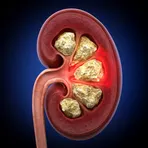
A hard mass that forms in the kidney and often causes pain when you pee

A hard stone that forms in the bladder or tubes that carry urine
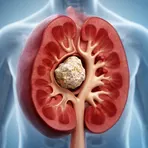
A hard stone that forms in the kidney
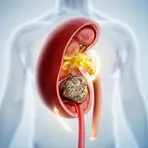
A hard stone that forms in the kidney can block the flow of urine
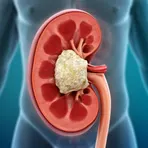
A hard lump of mineral salt that forms inside an organ like the kidney
How Big

Surface Forms
Morphology
The meaning is directly compositional: 'urinary' (related to urine/urinary tract) + 'calculus' (a stone-like concretion) yields a stone formed in the urinary system. Although somewhat medical register, the constituent meanings combine predictably and similar constructions exist cross-linguistically, so a learner who knows both words would understand the phrase.
Etymology
Urinary calculus comes from when calculus meant a small stone or pebble and urinary pointed to the body's urine system. So the phrase paints the picture of a small hard stone in the kidney or bladder, which is why it means 'a stone in the urinary tract' today.