

urolith
- noun
- /ˈjʊərəˌlɪθ/
- Specialized
- X-rays confirmed the presence of a urolith obstructing the ureter.
Examples
-
A urolith can cause pain.
-
The surgeon removed a large urolith from the patient's bladder.
-
Chronic urinary tract infections can increase the risk of developing a urolith.
-
The urolith is large.
-
Veterinarians are concerned about the presence of uroliths in pets, as they can cause serious health issues.
-
The diagnosis revealed that the patient had several painful uroliths in his urinary tract.
-
To prevent urolith formation, it's important to maintain proper hydration and a balanced diet.
Synonyms
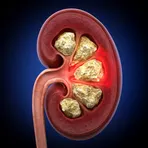
 18
3.7
18
3.7

A hard mass that forms in the kidney and often causes pain when you pee
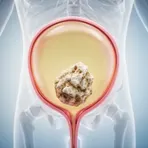

 1
5.5
1
5.5
A hard lump of mineral that forms in the bladder
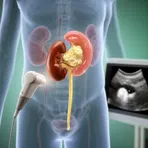
A hard stone that forms in the kidney and can block urine
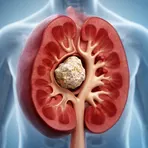
A hard stone that forms in the kidney
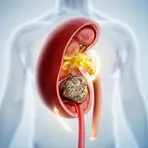
A hard stone that forms in the kidney can block the flow of urine

A hard stone that forms in the bladder
Surface Forms
Morphology
urolith = urine (semi-transparent) = uro + lith
The combining form 'uro-' clearly relates to 'urine' for many learners, but 'lith' (stone) is a specialized combining form that may be unfamiliar, making the overall relation partly guessable.
Etymology
Urolith comes from two Greek parts: uro- meaning 'urine' and -lith meaning 'stone', so it means a 'stone' formed in the urinary tract. That's why doctors use urolith for kidney or bladder stones.