

unoccupied
 7
3.4
7
3.4

- adjective
- /ˌʌnˈɑːkjʊpaɪd/
- There was one unoccupied seat at the end of the last row.
Loading YouTube…
Watch on YouTubeYou would cease to struggle against the unoccupied seat.
- You would cease to struggle against the unoccupied seat.
Examples
-
Residencies were not awarded this time of year, so the house was unoccupied.
Fiction book (2000) -
The energy savings from the climate control of unoccupied buildings could be enormous.
Blog text (15) -
The house has remained unoccupied ever since.
-
The house was unoccupied, so there was no answer at the door.
Academic text (2009) -
Or we would go into an unoccupied meeting room and just talk for a bit.
Blog text (7) -
Mr. Head saw two unoccupied seats and pushed Nelson toward them.
Fiction book (1998) -
On each side of him and opposite him were a number of chairs, all unoccupied.
Fiction book (1990) -
I agree with you that 65 million unoccupied flats is a lot.
Blog text (19) -
I wiped the damp oilcloth on an unoccupied table, not too near or too far from the counter.
Fiction book (1993) -
The apartment has been unoccupied since the tenants moved out last year.
Synonyms
 ∞
1.0
∞
1.0
Not containing anything
 104
2.6
104
2.6
Not occupied by anyone, for example a seat or job
 20
4.0
20
4.0
A place with no people living there
 4
4.8
4
4.8
No people live there
 2
2.8
2
2.8
Left empty and not used, often by people who lived there
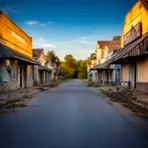 1
8.0
1
8.0
A place that has no people living there


 1
8.1
1
8.1
Not rented or lived in and empty
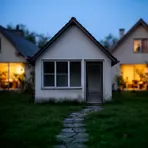 1
6.1
1
6.1
No one rents or lives in it

Not claimed or used by anyone

Not lived in or visited by people

Not being used and ready for someone to use
Antonyms
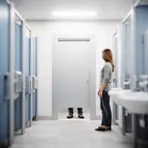
How Occupied

Surface Forms
Morphology
Etymology
Unoccupied is formed from un- meaning 'not' and occupy, which also means 'to use or fill', as when someone 'occupies a seat' or a house. That's why unoccupied means 'empty' or 'not used or lived in'.