

unoccupied
 5
3.6
5
3.6

- adjective
- /ʌnˈɑkjʊˌpaɪd/
- Trash and detritus all around, clogging the arteries of the building, which is old, unoccupied, and forsaken.
- unoccupied zone
- unoccupied land
- unoccupied territory
Examples
-
Ten percent of the city's land is unoccupied, and about 14,000 abandoned buildings.
Academic text (2002) -
On the other side is the unoccupied zone.
-
That this was the unoccupied zone.
-
It's at the old airport on the other side of the unoccupied zone.
-
I want safe passage for me and Charlie all the way through the unoccupied zone.
-
But when the Ming came to power, there was still land, unoccupied land available.
-
Dad and I stayed on in an unoccupied France, Lyon mostly.
-
After the Germans invaded the unoccupied zone in late 1942, Marc Bloch joined the underground.
Academic text (1998) -
Newcomers flocked to this promising unoccupied territory, migrants in a land rush who brought new ideas and building techniques to the Sinagua.
Academic text (2004) -
The house remained unoccupied for several months after the previous owners moved out.
Synonyms
 104
2.6
104
2.6
Not occupied by anyone, for example a seat or job
 20
4.0
20
4.0
A place with no people living there
 4
4.8
4
4.8
No people live there
 3
7.1
3
7.1
Not controlled and showing no restraint
 2
2.8
2
2.8
Left empty and not used, often by people who lived there
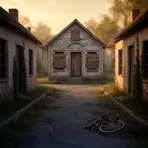 1
3.0
1
3.0
A place that people no longer live in or use
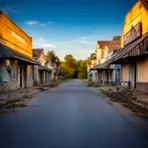 1
8.0
1
8.0
A place that has no people living there


 1
4.8
1
4.8
Not belonging to anyone
 1
8.1
1
8.1
Not rented or lived in and empty
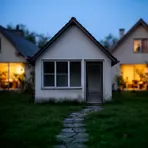 1
6.1
1
6.1
No one rents or lives in it

Not controlled or settled by people from another country

Free from ownership, control or influence

Not claimed or used by anyone

A building that has no renters living there
Antonyms
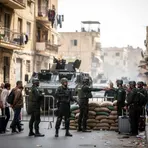
How Occupied

Surface Forms
Morphology
Etymology
Unoccupied is formed from un- meaning 'not' and occupy, which meant 'to take or hold', like when an army occupies land. So unoccupied means 'not taken' or not controlled by any group.