
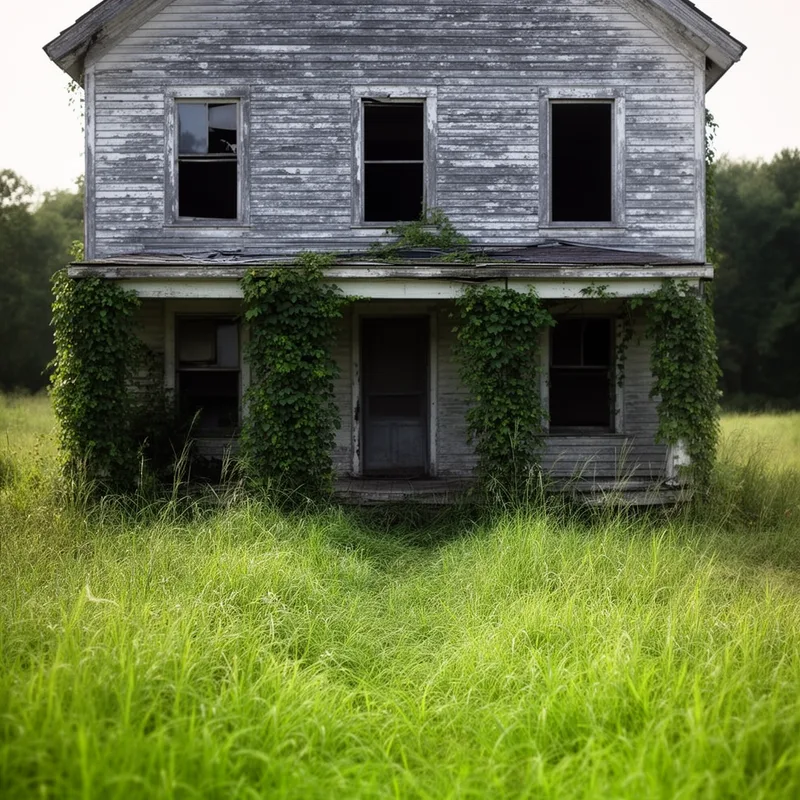
uninhabited
 20
4.0
20
4.0

- adjective
- /ˌʌnɪnˈhæbɪtɪd/
- The lake was dotted with thousands of small uninhabited granite islands, all covered with fir and birch.
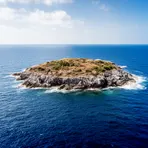
- an uninhabited island
- uninhabited land
- an uninhabited region
Loading YouTube…
Watch on YouTubein, in a pretty uninhabited part of Indiana.
- in, in a pretty uninhabited part of Indiana.
- And it may be that all of these habitable planets that we've identified are actually uninhabited.
Examples
-
We're on an uninhabited island.
-
Long ago, the universe was hot, structureless, and uninhabited; stars had yet to form.
Academic text (2006) -
You yourself said the area's uninhabited.
-
They were headed to an uninhabited island.
-
This planet is uncharted and uninhabited.
-
Presently, they passed a many-cupolaed manor house, apparently uninhabited and in the process of decay.
Fiction book (1993) -
A few years ago, Joana's hill was a barren, uninhabited landscape.
Academic text (2008) -
Little more than rocky outcrops, the five islands are completely uninhabited and of little intrinsic value.
Academic text (2005) -
Nineteenth-century European travelers described the scorching, scrubby bush region of Tsavo as hostile and practically uninhabited.
Academic text (2005) -
They were headed to an uninhabited island with no signs of life.
Synonyms
 89
1.6
89
1.6
A place with no people or animals present
 29
6.8
29
6.8
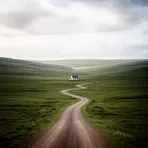
Empty and bleak with little life or shelter
 7
3.4
7
3.4
Empty and not used by anyone
 4
4.8
4
4.8
No people live there
 2
2.8
2
2.8
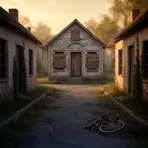
Left empty and not used, often by people who lived there
 1
3.0
1
3.0
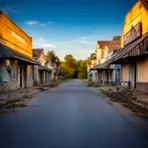
A place that people no longer live in or use
 1
8.0
1
8.0
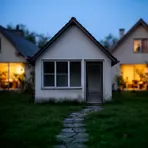
A place that has no people living there

 1
6.1
1
6.1
No one rents or lives in it
 1
8.1
1
8.1
Not rented or lived in and empty
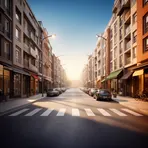
A place with no people in it

Not lived in or visited by people
Antonyms

How Populated

Surface Forms
Morphology
Etymology
The word uninhabited begins with un- meaning 'not' and the rest comes from inhabit, which means 'to live' or 'to dwell' and is seen in habitat. So uninhabited means 'not lived in' or a place without people.