

uncharged
 1
4.5
1
4.5

- adjective
- /ʌnˈtʃɑrdʒd/
- Specialized
- Being uncharged, neutrons can penetrate deeply to interact with the nuclei of the target material.
- uncharged particles
- uncharged neutrons
Examples
-
Because the neutron is uncharged, experimenters quickly realized that it could easily penetrate nuclear Coulomb barriers.
Academic text (2012) -
The electric fields driving currents in the ionosphere make charged and uncharged particles move at different speeds.
Academic text (2000) -
So the photon is uncharged with respect to any kind of charge that we know about.
-
They give us an opportunity to be able to study a completely uncharged area.
-
Compounds like ethanol are made-up of uncharged atoms, while compounds like salt are made-up of charged atoms called ions.
-
The uncharged particles don't produce bubbles; their paths (dotted lines on right) are deduced from the tracks left by the charged particles.
Academic text (1996) -
Because it is uncharged, the neutron can pass through matter without experiencing electromagnetic forces.
-
In the lab, they work with uncharged particles to study interactions without interference from electric fields.
-
The uncharged nature of the neutrino allows it to travel through dense materials without any significant disruption.
Synonyms
 12
5.6
12
5.6
Having no electric charge
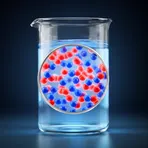
Having no overall positive or negative electric charge
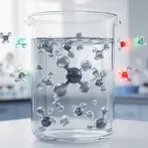
A substance that does not split into parts with electric charge

A device or battery that has no power left

A device that has no electric power to work

A phone or other device with no battery power and not working
Antonyms

How Charged

Surface Forms
Morphology
Etymology
The word uncharged is made of un- 'not' and charge, which means 'power' or 'load', as when you charge a battery. So uncharged means 'not charged', without electric power or an electrical charge.