

neutral
 12
5.6
12
5.6

- adjective
- /ˈnjuːtrəl/
- Specialized
- Okay, so a neutral chlorine atom has 17 protons and 17 electrons.
- electrically neutral
- neutral atom
- neutral hydrogen
Loading YouTube…
Watch on YouTubeAnd this is usually a neutral gas like xenon or argon.
- And this is usually a neutral gas like xenon or argon.
- What kind of neutral particle is around photons?
- How you going to have a anti neutral particle when you don't have a charge?
Examples
-
An important example of a spectral line emission is that from neutral hydrogen atoms.
Academic text (1996) -
The lead connected to the right ankle is a neutral lead, like those found inside an electric plug.
Academic text (2012) -
And now check between neutral and earth as well.
-
It's very different sort of wake than a neutral gas wake.
-
If you lose neutral water, the charge will stay.
-
And we use some market forces like a revenue neutral carbon tax.
-
As I previously stated, a neutral pH reading is somewhere between six and eight.
-
We sat on the sweeper, the machine in neutral, and waited to see what would happen next.
Fiction book (1999) -
The probe was designed to attain neutral buoyancy at a depth of a hundred kilometers.
Fiction book (1995) -
The device operates using a neutral charge, which prevents any electrical shock.
Synonyms
 1
4.5
1
4.5
Not carrying any electric charge, for example neutrons or a dead battery

An object that is neither positive nor negative electrically
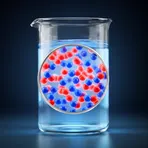
Having no overall positive or negative electric charge
Antonyms

Compounds


- Archaic
An international language made to help people from different countries talk

How Negative

Surface Forms
Morphology
neutral = neuter (transparent) = neuter + al
Electrical 'neutral' literally means 'neither positive nor negative', which directly follows from the base meaning 'neither'.
Etymology
Neutral comes from the Latin neuter 'neither of the two', so in electricity it means 'neither' positive nor negative. That's why a neutral atom has no overall charge.