

thromboplastin
- noun
- /ˌθrɒmboʊˈplæstɪn/
- Specialized
- The doctor explained that thromboplastin is essential for converting prothrombin into thrombin during blood clotting.
Examples
-
The release of thromboplastin initiates an important step in the coagulation cascade.
-
The body releases thromboplastin during the clotting process.
-
A deficiency in thromboplastin can lead to disorders involving excessive bleeding.
-
The laboratory used thromboplastin to measure the patient's blood clotting time.
-
In a healthy individual, thromboplastin plays a crucial role in hemostasis.
-
In blood tests, thromboplastin is often measured to evaluate the clotting ability of a patient's blood.
-
During an injury, the body releases thromboplastin to start the clotting process and prevent excessive bleeding.
Synonyms

A substance from tiny blood cells that helps blood form a clot
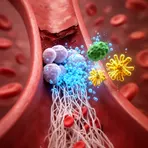
A protein released by blood platelets that starts blood clotting by making thrombin
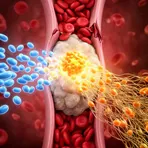
A group of proteins that helps blood form clots by changing prothrombin into thrombin
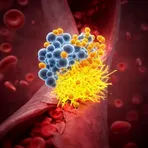
A substance that helps blood clot by turning a blood protein into a clotting chemical
Compounds
- Specialized
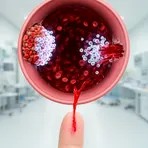
A protein in blood that helps it to clot and whose lack causes heavy bleeding
Surface Forms
Morphology
thromboplastin = thrombus (opaque) = thrombo + plasto + in
The term is built from technical combining forms ('thrombo-' and 'plasto-') plus the protein suffix '-in', which are not productive or familiar to typical learners, so the meaning is not directly guessable.
Etymology
The word thromboplastin comes from the Greek parts thrombo- meaning 'clot' and -plastin meaning 'to form' (the same root you see in plastic, which is about shaping). So it is named for its job: a substance that helps blood 'form' a 'clot'.

