
tannic
 3
7.6
3
7.6

- adjective
- /ˈtænɪk/
- Specialized
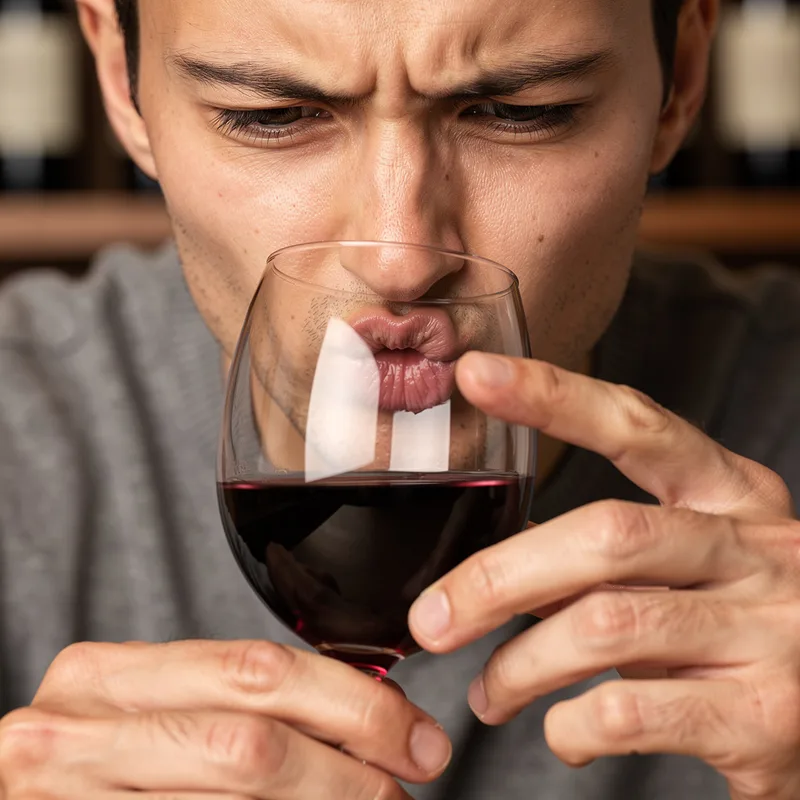
- Many red wines are known for their tannic qualities, which can create a mouth-drying sensation.
- tannic acid
- tannic wine
- tannic (tannins
Loading YouTube…
Watch on YouTubeThey have that tannic Tang of bird and leaf curried water from the forest.
- They have that tannic Tang of bird and leaf curried water from the forest.
Examples
-
They were part of a pineland and a wetland, with sandy or tannic soils.
Academic text (2006) -
So, do you want me to take it away, the delicious, tannic, deep-red wine?
-
Perhaps you like tannic wines.
Blog text (33) -
But is tannic acid naturally present in tea?
Blog text (4) -
Slightly more tannic than the '59.
-
There was a terrible flavor that trailed late, though tannic and sharp, vaguely chemical.
Fiction book (2000) -
The Il Sogno & La Pietra has a dense, chewy, tannic personality, which I very much enjoy.
Blog text (25) -
Cahors wines are notoriously tannic when young, benefiting greatly from aging.
Blog text (14) -
The wine was pleasantly tannic, with a strong astringent taste that made it a great partner for rich dishes.
-
A tannic flavor profile often contributes to the complexity of a good aged red wine.
Compounds

- Specialized
1
6.7
A natural plant substance people use to treat leather and make skin firmer
How Astringent

Surface Forms
Morphology
Etymology
The word tannic comes from tannin, a natural substance found in oak bark and other plants that people used to tan leather ('to treat' leather). Because tannin makes the mouth feel dry and puckering, tannic describes a drink or thing that has that drying, astringent taste.