

suppresser
- noun
- /səˈprɛsər/
- Specialized
- Researchers discovered a new suppresser that counteracts the effects of the disease-causing gene.
Examples
-
The presence of the suppresser altered the inheritance pattern of the trait.
-
Researchers identified a new suppresser in the fruit fly genome.
-
A mutation in the suppresser can reactivate the original gene's expression.
-
The suppresser gene plays a crucial role in regulating traits.
-
The newly identified suppresser gene significantly reduced the impact of the harmful mutation.
-
A specific suppresser can inhibit the expression of the mutant gene, leading to healthier plants.
-
Scientists are studying how the suppresser gene influences the development of certain traits in mice.
Synonyms

 4
8.8
4
8.8

A gene that reduces the effects of another gene, often a harmful change
 1
9.0
1
9.0
A substance, gene, or protein that attaches to DNA to stop a gene from working
 1
5.6
1
5.6
A gene that reduces the effect of a harmful mutated gene

A gene that stops or reduces another gene from working
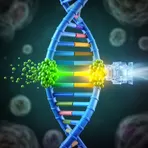
A gene that makes a protein that stops other genes from turning on

A gene that hides the effect of another gene so a trait does not appear
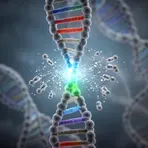
Part of DNA that makes a chemical to stop other genes from working
Compounds
How Strong

Surface Forms
Morphology
Etymology
Suppresser comes from the Latin supprimere ('under' + 'to press') and shares the same idea as the English word press. In genetics a suppresser is something that 'presses down' the effect of another gene, so the name fits because it reduces or stops that gene's expression.