
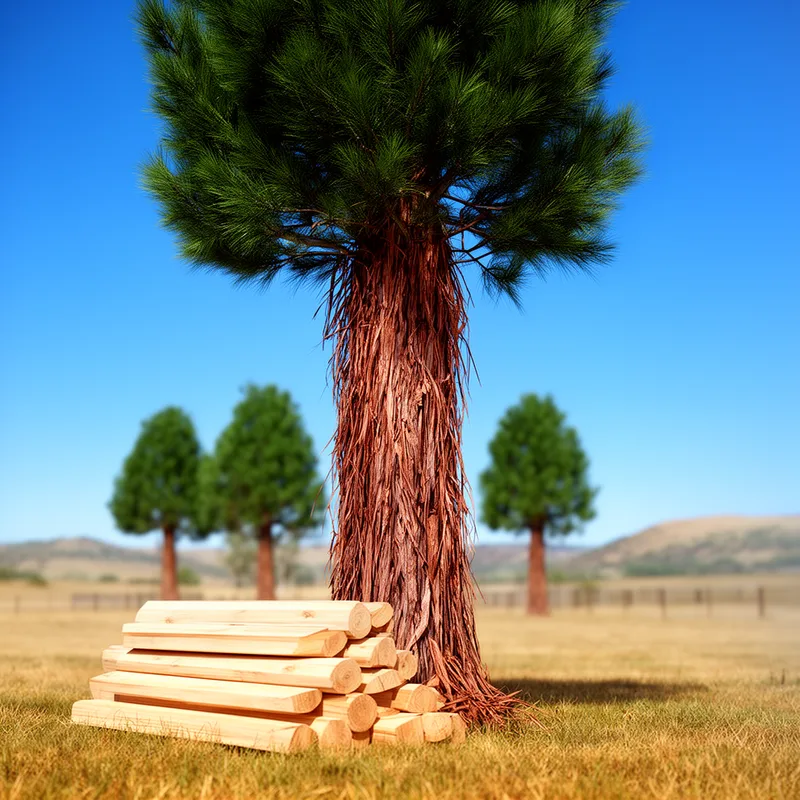
stringybark pine
- noun
- Australian
- Its distinctive fibrous bark makes the stringybark pine easy to identify in the wild.
Examples
-
The stringybark pine is often used for timber and windbreaks on Australian farms.
-
Conservation efforts have increased to protect the native stringybark pine from deforestation.
-
The stringybark pine is native to Australia.
-
Many stringybark pines grow in the Australian bush.
-
Its distinctive fibrous bark makes the stringybark pine easy to identify in the wild.
-
The stringybark pine is often used for timber and windbreaks on Australian farms.
-
Conservation efforts have increased to protect the native stringybark pine from deforestation.
Synonyms
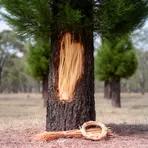
A type of Australian pine tree with fibrous inner bark
An evergreen tree or shrub from Australia that grows well in dry soil and has hard wood

Evergreen trees from Australia with needle-like leaves often called cypress pines
A tree from Australia like a pine with small round cones and scented wood
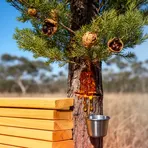
An Australian cone-bearing tree with small flat leaves and dark brown seeds used for wood and resin
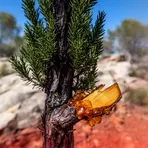
An Australian tree with small flat scale-like leaves, strong pleasant-smelling wood, and sticky sap
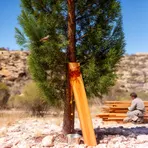
An Australian evergreen tree with small flat leaves like scales that people use for its wood and resin

An Australian tree with small flat leaves and hard wood used for building
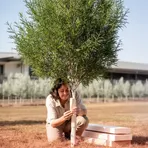
A small Australian tree or shrub with scented wood and small flat leaves
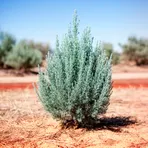
A small tree or shrub from southern Australia with bluish green leaves
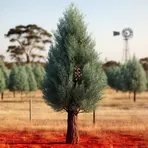
A small tree or shrub from southern Australia in the cypress family
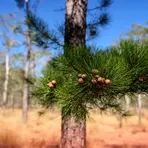
An evergreen tree from eastern Australia with small round cones
Surface Forms
Morphology
This is a straightforward noun–noun compound: 'stringybark' describes bark that is stringy/fibrous and 'pine' names the tree, so the phrase denotes a pine tree with stringy bark. It is a descriptive botanical term rather than an idiomatic expression, so a B1 learner who knows both constituents can infer the meaning.
Etymology
Stringybark pine: The name stringybark pine comes from the tree's inner bark, which peels off in long, string-like strips that look like strings. So the parts stringy and bark explain its look and pine shows it is a pine, making the name an easy way to identify this type of tree.

