

to stoked
6.5
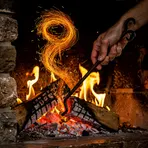
To add fuel to a fire so it burns more strongly
- verb
- /stoʊkt/
:
avivar
- He stoked the fire to keep it burning through the night.
Loading YouTube…
Watch on YouTubeBut as they turned their ire, that was stoked by the president himself.
- But as they turned their ire, that was stoked by the president himself.
Examples
-
After adding more logs, she stoked the fireplace until the flames roared.
-
To ensure the campfire lasted, he regularly stoked it with dry branches.
-
It seems so stoked that we literally stoked the fire.
Synonyms

to fuel
vsto stoked
 177
4.3
177
4.3

To make feelings, arguments or actions stronger
refers to caring for a literal fire rather than increasing feelings
to stoke
vsto stoked
7
5.6
To add fuel or stir a fire to make it burn hotter
is the same meaning but used as a past or participle form

to feed the fire
vsto stoked
2
4.8
To put extra fuel on a fire or make a disagreement worse
focuses on tending literal fire rather than worsening social conflicts
 1
5.4
1
5.4
To add fuel to a fire or make energy and excitement stronger
keeps to tending a fire rather than boosting general energy

to blow the coals
vsto stoked
7.5
Make a fire burn hotter by blowing air on hot coals
adds fuel or tends the flames rather than just supplying air
Antonyms
How Strong

Surface Forms
Morphology
Etymology
Stoked is the past form of stoke, which originally meant 'to add fuel to a fire' or 'tend it'. That's why to stoke a campfire means you feed and stir it so the flames burn more strongly.